
Orthrosanthus chimboracensis
Orthrosanthus chimboracensis
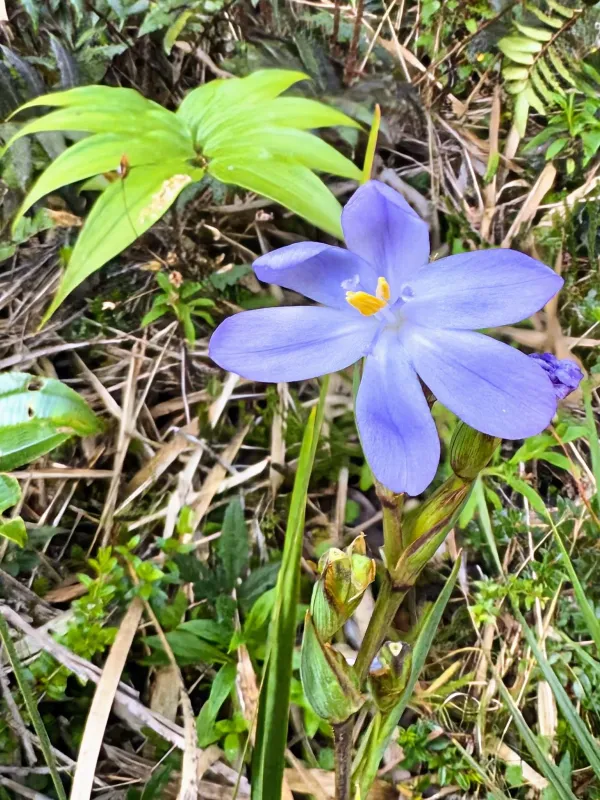
Description
Sowing dates
Orthrosanthus chimboracensis is a perennial herb belonging to the Iridaceae family. It is typically propagated via seeds or by division of mature rhizomatous clumps in early spring when the plant is just starting its active growth cycle.
For seed germination, a period of cold stratification is highly recommended to break dormancy. Seeds should be sown in a well-draining, sterile potting mix and kept at a temperature range of 18–20 degrees Celsius under consistent moisture levels.
Seedlings emerge slowly and require careful attention during the early stages of development. Once the second set of true leaves is established, they should be transplanted into individual containers to allow for root development before being moved to the field.
Hardening off is a critical step for young plants before they are permanently placed in the garden. This process involves gradually introducing them to outside temperatures over a period of two weeks to prevent transplant shock.
When propagating by division, ensure that each segment contains a healthy section of the rhizome and several viable growth buds to encourage rapid re-establishment in the soil.
Growing requirements
Originating from the high-altitude regions of the Andes, this species prefers cool to moderate climates. It performs best in locations that receive full sun, although it can tolerate partial shade in areas with intense afternoon heat.
Soil requirements are relatively specific: the plant demands excellent drainage. Sandy or loamy soils with a neutral to slightly acidic pH are ideal, as they prevent the waterlogging that often leads to root decay in Iridaceae species.
While the plant shows moderate drought tolerance once established, consistent irrigation is necessary during the active growing season. Avoid overhead watering to reduce the risk of leaf diseases and keep the soil moisture balanced.
In regions where winter temperatures drop below -5 degrees Celsius, plants should be grown in containers or provided with significant winter protection. Mulching the base of the plant can help retain ground heat during light frosts.
Fertilization should be handled with care; a balanced, slow-release fertilizer applied in early spring is usually sufficient to support growth and floral development without causing excessive foliage growth.
Main diseases and pests
The primary threat to Orthrosanthus chimboracensis is root rot, typically caused by Pythium or Phytophthora fungi in overly wet conditions. Proper site selection and drainage management are the most effective preventative strategies.
Spider mites can be a persistent issue in indoor or sheltered environments with low humidity. Regular misting or the use of targeted acaricides can help manage mite populations before they cause visible damage to the foliage.
Thrips may occasionally attack the plant, leading to stunted growth and discolored patches on the leaves. Monitoring the undersides of leaves and applying insecticidal soaps can help keep populations under control in a garden setting.
Leaf rust is another potential issue, especially during humid and overcast weather conditions. Fungicidal treatments should be applied at the first sign of orange-brown pustules on the leaf surfaces to prevent further spread.
Maintaining good airflow around the plants and removing any dead or decaying organic matter from the planting area will significantly lower the risk of pest and disease outbreaks.