
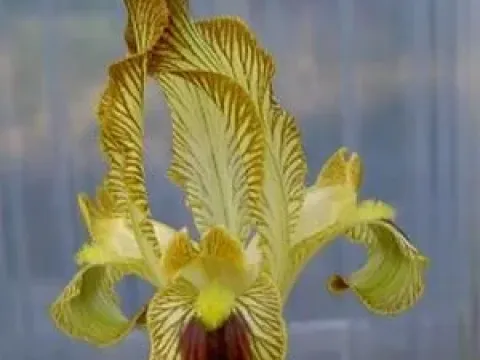
Iris meda
Iris meda
Iris meda is a perennial flowering plant belonging to the Iridaceae family. Native to the mountainous regions of Iran, this species is well-adapted to harsh, arid environments and rocky terrain, making it a distinct choice for specialized garden beds like rockeries and alpine displays.
What the section contains
Iris meda
The botanical structure of Iris meda includes a small, compact rhizome and slender, grass-like foliage arranged in a basal rosette. The flowers are notable for their intricate color patterns, often displaying unique combinations of yellow, brown, and dark veining that provide high ornamental value.
As a xerophytic species, Iris meda requires excellent soil drainage to prevent root rot. It thrives in sunny, open locations where it receives ample light, which is crucial for promoting flower bud development and maintaining the plant's characteristic compact growth habit.
Soil requirements involve a lean, gritty, or sandy substrate with a neutral to slightly alkaline pH. Heavy soils rich in organic matter are unsuitable, as they hold too much moisture and lack the necessary porosity for the roots to breathe, often leading to rapid plant decline.
Climate adaptation focuses on ensuring a dry dormant period. In areas with high rainfall, growers often use raised beds or protective coverings to keep the rhizomes dry during winter, preventing the detrimental effects of moisture saturation combined with low temperatures.
Bacterial soft rot of the rhizomes is the most serious threat to Iris meda, usually triggered by waterlogged soil conditions. Once the rot enters the rhizome tissue, the plant typically collapses quickly, necessitating immediate removal and soil solarization or chemical treatment of the area.
The iris fly is a common insect pest that lays eggs in the developing flower buds, leading to larvae feeding on the petals from within. Monitoring for signs of stunted or distorted bud growth is essential for timely intervention with appropriate systemic insecticides.
Thrips are another common pest, particularly during hot and dry spells, causing stippling and disfigurement of the foliage. Infestations should be managed using targeted sprays to avoid harming beneficial pollinating insects that are attracted to the early spring flowers.
Fungal leaf spot diseases may occur if plants are overcrowded, which restricts airflow. Maintaining proper spacing between plants ensures that leaves dry quickly after rainfall or dew, significantly reducing the success rate of fungal spore germination on the leaf surfaces.
Good garden hygiene, including the removal of dead or decaying foliage during the late summer, helps minimize the overwintering sites for both pests and fungal pathogens. Keeping the base of the plant free of organic debris is a key component of successful long-term cultivation.