
Iris prismatica
Iris prismatica
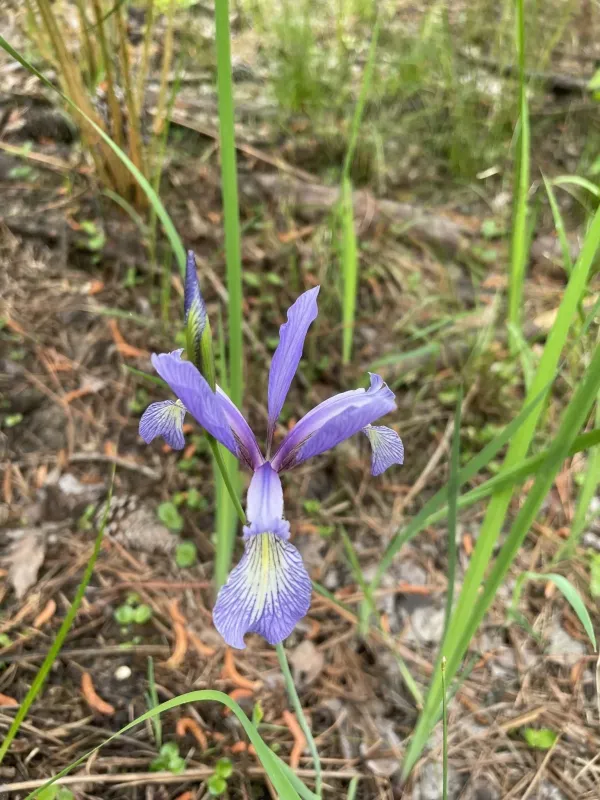
Description
Sowing dates
Propagation of Iris prismatica is primarily achieved through rhizome division. The optimal time for this procedure is either in early spring before active growth begins or in late summer after the flowering cycle has concluded.
Seed propagation is a viable alternative, though it requires a period of cold stratification. Seeds should be sown in the autumn or kept in a cold environment for several months to break dormancy and ensure uniform germination in the spring.
When dividing rhizomes, ensure each segment contains a healthy portion of the root system and at least one viable growth bud. Providing a clean, well-draining soil medium for these divisions helps prevent early rot and supports establishment.
Planting depth should be minimal, with the rhizome barely covered by the soil surface. Proper spacing, generally 30 to 45 centimeters apart, is essential to allow for the natural spread of the plant as it matures over several growing seasons.
For best results, young plants should be protected from extreme heat during their first few weeks in the ground. Providing consistent moisture and a light layer of mulch will help stabilize the soil temperature and encourage rapid root development.
Growing requirements
Iris prismatica, a member of the Iridaceae family, is a distinct perennial known for its slender, grass-like foliage and delicate, pale-blue to violet flowers. It is native to the coastal regions and wetlands of eastern North America.
This species thrives in moist, acidic to neutral soil conditions. It is frequently found in nature in wet meadows or along the margins of bogs, which dictates its preference for sites that remain consistently damp throughout the growing season.
While the plant is highly tolerant of wet feet, it performs best in full sun. Adequate light exposure is critical for promoting strong stems and consistent flowering, which is the primary reason this species is valued in landscape design.
Climate adaptability is a strong suit for Iris prismatica, as it is well-suited to temperate zones. It exhibits high winter hardiness, provided the rhizomes are not subject to extreme frost heaving in exposed, unmulched ground.
Fertilization should be handled with care. Using a balanced, slow-release fertilizer in early spring can support vigorous growth. Excessive nitrogen application should be avoided, as it can lead to lush leaf development that may attract pests.
Main diseases and pests
The primary threats to Iris prismatica are fungal infections, particularly rhizome rot. These issues are often exacerbated by poor drainage or lack of air circulation around the base of the plant, especially in high-humidity climates.
Managing fungal threats requires regular maintenance, including the removal of dead foliage and debris from the base of the plant. Fungicide treatments can be utilized during particularly wet spring seasons as a preventative measure.
Insect pests, such as iris borers or thrips, can cause significant damage to the leaf tissue and floral buds. Periodic inspection of the plants, particularly during late spring, is recommended to catch infestations before they cause irreversible harm.
Maintaining healthy, non-crowded beds is the most effective cultural control against pests. When a planting area becomes too dense, dividing the rhizomes serves both as a propagation method and a strategy to improve airflow.
Environmental stress, such as prolonged drought, can weaken the plants, making them more susceptible to opportunistic pathogens. Ensuring that the soil moisture levels are maintained will act as a natural defense mechanism for the plant.