
Iris pseudocaucasica
Iris pseudocaucasica
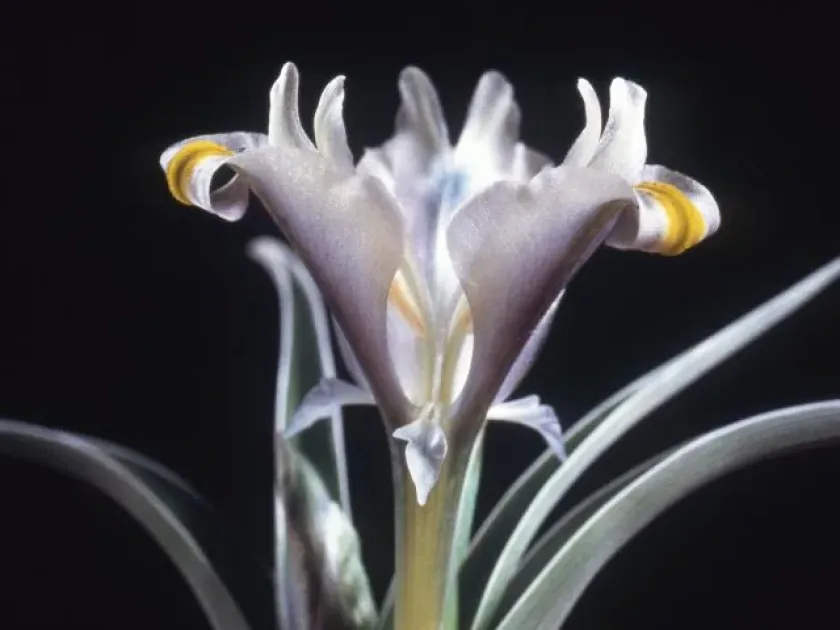
Description
Growing requirements
Iris pseudocaucasica belongs to the Iridaceae family and is a distinct member of the Juno section. This bulbous perennial is native to rocky slopes and high-altitude habitats of the Caucasus region and surrounding areas.
The plant thrives in well-draining, stony, or sandy soil. Since the bulbs are prone to rotting, an excellent drainage system is the most critical factor for long-term survival in garden conditions.
It requires full sun to achieve optimal growth and vibrant flowering. In shaded spots, the plant loses its compactness and may fail to produce blooms, which are characteristic of this species' aesthetic value.
Cultural requirements involve a distinct summer dormancy period. After flowering, the plants need a hot and dry environment to allow the bulbs to mature, mimicking their natural high-mountain climate.
In landscaping, it is used primarily in rock gardens, scree beds, or sunny borders. Its early spring emergence and unique, intricate flower structure make it highly sought after by collectors of bulbous plants.
Main diseases and pests
The most significant threat to Iris pseudocaucasica is fungal rot caused by excess moisture during the summer dormancy period. Ensuring the soil remains dry during this phase is essential for survival.
Common pests include aphids and iris flies, which can damage leaves and buds. Regular monitoring and the application of appropriate contact insecticides are recommended to maintain plant vitality.
Heterosporium leaf spot is a common fungal disease that manifests as brown spots on foliage. Proper spacing and good air circulation help minimize the risk of infection in garden settings.
Rodents, such as voles, can feed on the bulbs during the winter, which often results in the loss of entire plantings. Using wire mesh baskets or protective barriers is a standard preventive measure.
Incorrect fertilization, particularly the use of fresh nitrogen-rich manure, should be avoided. Such substances promote foliage growth at the expense of bulb health and can lead to secondary infections.