
Iris nelsonii
Iris nelsonii
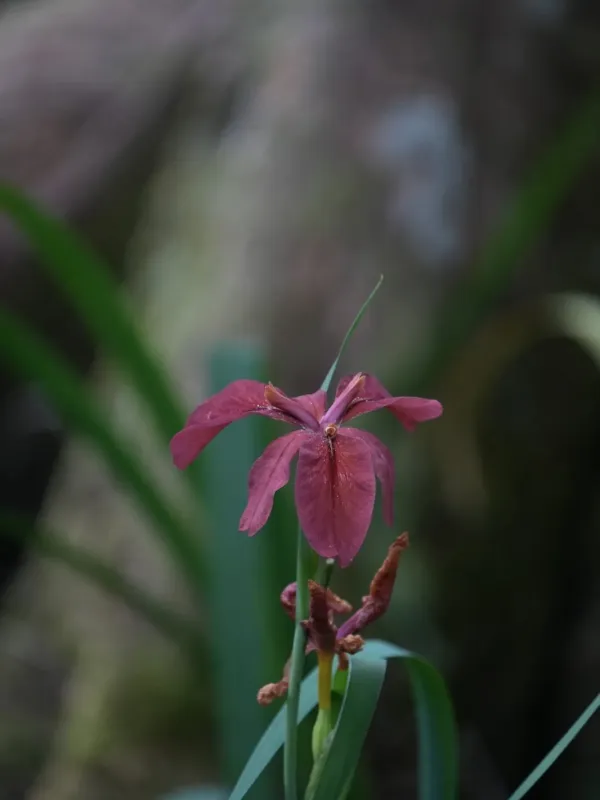
Description
Growing requirements
Iris nelsonii, commonly known as Nelson's Iris, is a species within the Iridaceae family. Native to the swampy regions of Louisiana, this plant is specifically adapted to hydric habitats and acidic, nutrient-rich soil conditions.
The cultivation of this species requires a location that mimics its native wetland environment. Optimal growth is observed in soil with a pH ranging from 5.0 to 6.5, which is essential for nutrient uptake and the overall vitality of the rhizomatous root system.
Light requirements for Nelson's Iris include partial shade or filtered sunlight. Direct exposure to intense, hot sun can dehydrate the foliage, so maintaining consistent soil moisture through irrigation or placement near water features is critical.
Regarding climate, the plant thrives in humid and moderately warm environments. In areas that experience freezing winters, it is necessary to provide adequate protection or transition the plants to a controlled greenhouse environment to prevent frost damage.
Agronomic management includes regular applications of organic matter to maintain soil structure. Since the plant is highly sensitive to moisture stress, a layer of mulch is recommended to regulate soil temperature and retain necessary humidity throughout the growing season.
Main diseases and pests
The primary threats to Iris nelsonii include fungal pathogens such as leaf spot and rhizome rot, which are often exacerbated by poor air circulation and excessive standing water. Sanitation practices are essential to manage these risks.
Insect pests, particularly thrips and iris borers, can severely impact flower production. Proactive monitoring during the early spring allows for the implementation of integrated pest management strategies before the infestation spreads.
Gastropods such as slugs and snails are highly attracted to the succulent growth of this iris. Using physical barriers like copper tape or environmentally safe bait can effectively protect tender shoots from damage.
Root system health is vital; therefore, avoiding mechanical damage during weeding is crucial, as wounds become entry points for soil-borne pathogens. Careful cultivation around the base of the plant is recommended.
To ensure long-term health, growers should practice crop rotation or soil refreshing if plants are grown in containers. This prevents the accumulation of soil-borne diseases and ensures that the iris has access to necessary mineral nutrients.