
Iris reichenbachii
Iris reichenbachii
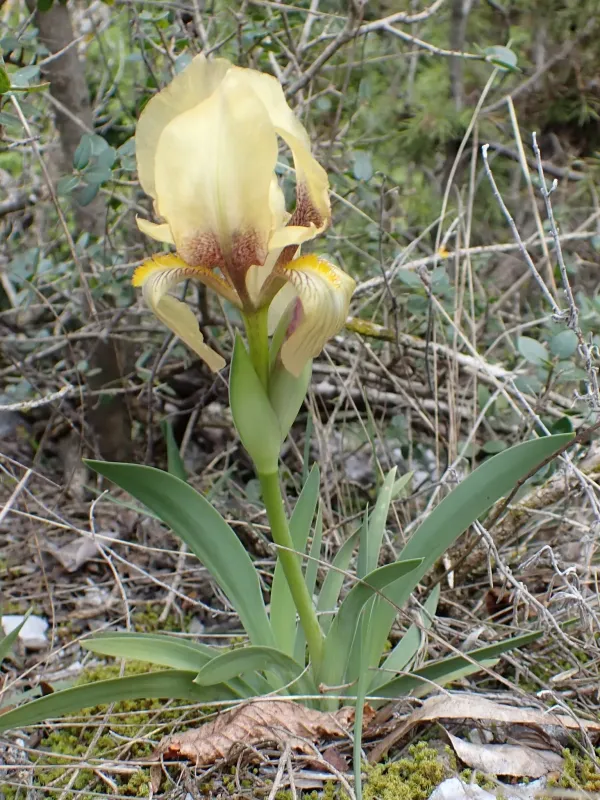
Description
Growing requirements
Iris reichenbachii is a dwarf perennial plant native to the Balkan Peninsula, belonging to the Iridaceae family. It is highly valued in rock gardening for its compact size, reaching approximately 20-30 cm in height, and its early, vibrant flowering period.
The natural habitat of this species is rocky slopes and dry grasslands, which dictates its primary agricultural needs. It thrives in well-drained, lime-rich soils and cannot tolerate stagnant water, which often leads to the rotting of its fleshy rhizomes.
Sunlight is a critical requirement for this species. It requires full exposure to the sun to maintain its compact growth form and to ensure prolific flowering. In shaded conditions, the plant tends to become leggy and rarely produces its characteristic blooms.
Temperature tolerance is one of its major strengths. Being an alpine and sub-alpine plant, it is extremely cold-hardy and can withstand significant winter frosts if the soil remains relatively dry during the dormant season.
Agricultural management is minimal. It requires little to no fertilization, as excessive nutrients often lead to lush foliage growth at the expense of floral displays. Maintenance mainly involves keeping the area free of weeds that could shade the plant or compete for resources.
Main diseases and pests
The most common disease affecting this species is soft rot (bacterial decay of the rhizome), which is almost always triggered by excessive soil moisture and poor drainage. Ensuring excellent drainage at the time of planting is the primary preventive measure.
Leaf spot diseases, caused by various fungi, can occur during humid summer weather. These present as spots on the foliage and, if left untreated, can weaken the plant over several growing seasons. Proper sanitation involves removing dead or diseased leaves.
Pests such as iris borers or iris flies can cause significant damage. These larvae burrow into the rhizome or feed on the developing buds, significantly reducing the vigor of the plant and its ability to flower successfully.
Aphids and spider mites may occasionally attack the plant during hot, dry spells. Regular inspection is advised, as these pests can sap the strength of the iris, making it more susceptible to secondary infections or winter damage.
To mitigate the risk of these threats, it is recommended to divide the clumps every 3-4 years. This practice rejuvenates the plant, improves air circulation within the foliage, and allows for the removal of any damaged or aging sections of the rhizome.