
Iris planifolia
Iris planifolia
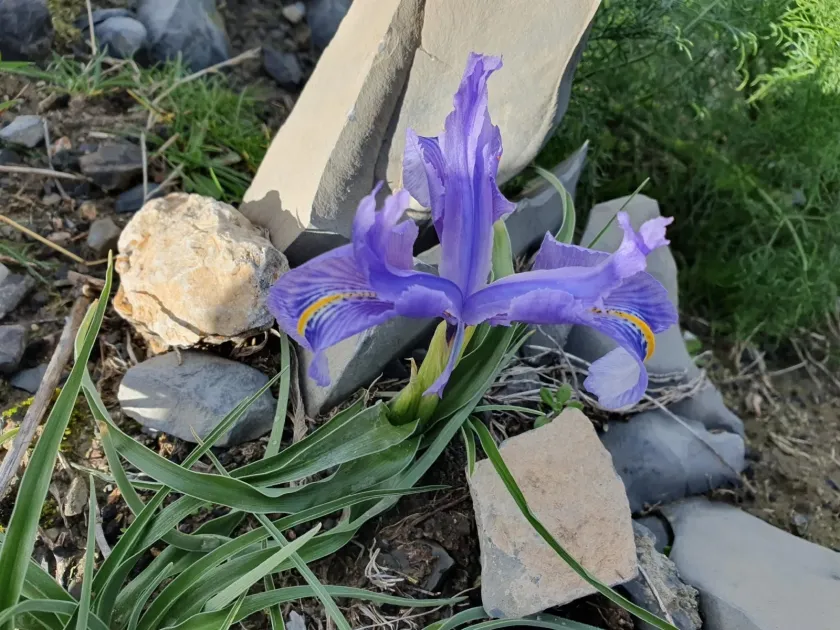
Description
Growing requirements
Iris planifolia is a distinctive species within the Iridaceae family, notable for being one of the few bulbous members of the iris genus. It originates from the Mediterranean region, where it has evolved to thrive in specific environmental niches characterized by mild, wet winters and dry summers.
The cultural requirements for this plant are stringent, focusing primarily on perfect drainage. In an agricultural or garden setting, Iris planifolia must be planted in gritty, well-draining soil to prevent the bulb from rotting during the winter months, which is a common failure point for this species.
Sunlight exposure is critical for the plant to successfully complete its vegetative cycle. It requires a position in full sun to ensure the bulb matures properly. In regions outside of its native Mediterranean climate, it is often cultivated in alpine houses or cold frames to provide the necessary protection from freezing winter rain.
The agronomic management of this iris centers on mimicking its natural dormancy cycle. During the hot summer months, the bulbs require a period of complete dryness, which is essential for the initiation of flowering organs for the upcoming season.
Host plant utilization is primarily ornamental. Because of its early flowering period, it is a highly sought-after plant for specialized rock gardens and botanical collections where its striking, large flowers can be fully appreciated before other spring bulbs begin to bloom.
Main diseases and pests
The primary threats to Iris planifolia are fungal pathogens, specifically those causing basal rot and penicillium rot. These organisms thrive in cool, damp conditions, which can be lethal to the bulbs if soil drainage is compromised.
Leaf spot diseases can also impact the vigor of the plant during the growing season. While usually not fatal, these diseases reduce the photosynthetic capacity of the foliage, directly impacting the energy reserves stored by the bulb.
Insects such as bulb mites can be significant pests, entering through mechanical wounds on the bulb and providing entry points for secondary bacterial and fungal infections. Control is achieved through sanitation and the use of healthy, clean planting material.
Environmental stress, particularly sudden drops in temperature combined with moisture, can predispose the plants to frost damage, which often manifests as necrotic spots on the leaves and stems.
Effective management includes maintaining a strict dry period during dormancy and ensuring that the planting site has excellent air circulation to reduce humidity levels around the foliage.