
Iris lazica
Iris lazica
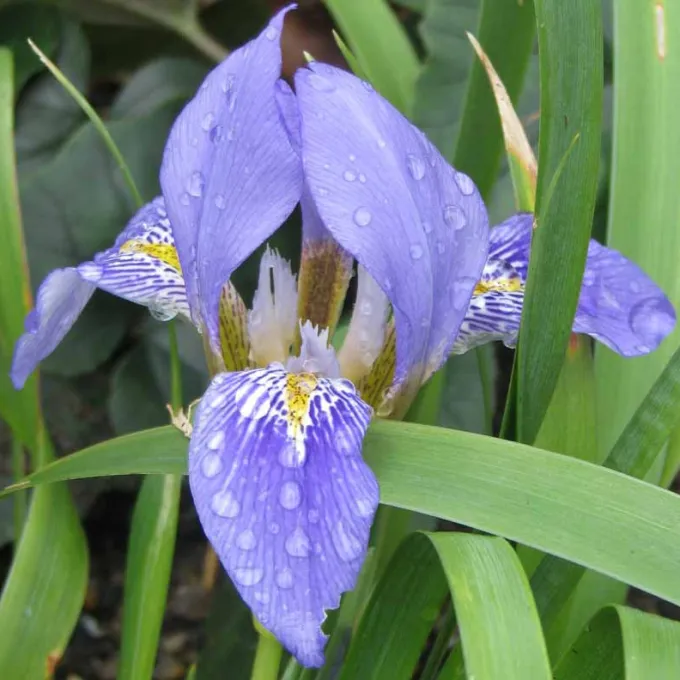
Description
Sowing dates
Iris lazica, a distinctive member of the Iridaceae family, is propagated primarily through the division of rhizomes. The optimal time for planting or transplanting this crop is early spring or immediately after the flowering period, when the plant enters a dormant stage.
For seed propagation, sowing is recommended before winter, as seeds require natural stratification to achieve better germination rates. Utilizing fresh seeds typically results in more vigorous seedlings that adapt effectively to the local climate conditions in their first year.
When selecting a planting site, it is important to note that this species thrives on stability and does not tolerate frequent transplanting well. A spacing of at least 30–40 centimeters between plants is recommended to ensure proper airflow and prevent competition for resources.
The planting depth for rhizomes should be shallow; the upper part of the rhizome should sit level with the soil surface. Deep burial can lead to rhizome rot, particularly in damp or heavy soil conditions, compromising the plant's long-term survival.
After planting, a thorough watering is required to settle the soil around the roots and eliminate air pockets. During the first month of establishment, monitor soil moisture carefully to prevent the root system from drying out while ensuring the soil remains well-drained.
Growing requirements
Iris lazica is a unique evergreen species that maintains its leather-like, sword-shaped leaves throughout the year, making it a highly valued ornamental plant. Its foliage provides persistent greenery that enhances landscape design even during the winter months.
The plant has moderate light requirements, preferring partial shade or dappled sunlight. In regions with intense solar radiation, direct afternoon sun can cause leaf scorch; therefore, planting under the canopy of larger trees or in eastern-facing spots is ideal.
In terms of soil, this crop prefers light, well-drained substrates with a neutral or slightly acidic pH. Incorporating organic matter, such as high-quality compost, into the soil prior to planting is essential for promoting robust growth and overall plant health.
While Iris lazica is more moisture-tolerant than many other iris species, it still requires excellent drainage to prevent water stagnation. In heavier clay soils, adding a drainage layer of gravel or coarse sand is an essential agricultural practice to avoid root rot.
Climate adaptation is specific, as this iris is a warm-loving endemic of the Black Sea region. In regions where temperatures drop significantly below -15 degrees Celsius, providing winter protection with mulch or protective fabric is necessary to safeguard the plant.
Main diseases and pests
Fungal diseases represent the primary threat to the crop, particularly when moisture levels are poorly managed or when plants are crowded. Heterosporium leaf spot, identified by dry brown lesions on the foliage, is the most common fungal issue encountered.
Bacterial soft rot of the rhizomes is a severe pathology that can kill a plant quickly. This condition is frequently triggered by excessive humidity or mechanical damage to the rhizome caused by pests or careless cultivation practices near the root zone.
Pests, such as the iris fly and various moth larvae, cause significant damage by attacking the flower buds and the base of the leaves. Routine inspection and the physical removal of infested plant parts are effective strategies for managing pest populations early on.
Aphids may infest young flower stalks, sucking sap and severely stunting plant development. Application of systemic insecticides during the active spring growth phase is recommended as a preventative measure to ensure vigorous blooming.
Sanitation is a critical aspect of Iris lazica management; removing old, dead, or diseased foliage prevents the buildup of fungal spores and pest larvae. Keeping the planting area clean significantly reduces the need for heavy chemical intervention throughout the season.