
Iris lortetii
Iris lortetii
Description
Growing requirements
Iris lortetii is a distinguished member of the Iridaceae family and is recognized as one of the most magnificent species within the Oncocyclus section. Native to the mountainous regions of Lebanon and surrounding areas, it is a rare perennial species that demands specific environmental conditions for survival.
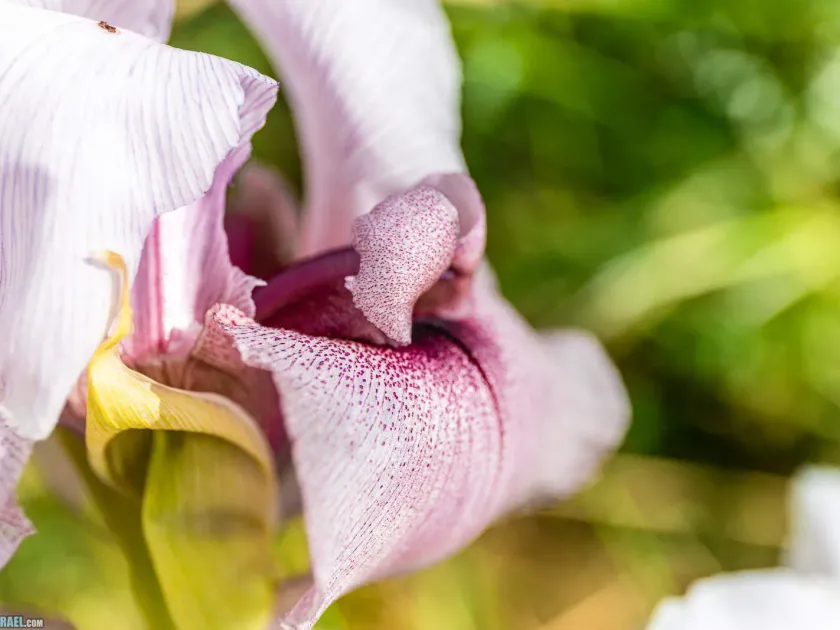
Botanically, the plant produces relatively large, intricate flowers that exhibit a unique delicate veining and a prominent dark spot, which is a classic feature of the species. Its vegetative cycle is adapted to arid, high-altitude climates where drainage is naturally optimal throughout the growing season.
Cultivation of this species requires a location with full sun exposure and excellent air circulation. The climate should ideally mimic its natural environment: warm, dry summers and cool, moderately moist winters, provided the soil remains free of excessive standing water during the dormant period.
Soil requirements are strict, necessitating a well-draining, gritty, and lime-rich substrate. The pH should be neutral to alkaline, and the addition of coarse sand, perlite, or limestone chippings is essential to ensure that the rhizomes do not succumb to fungal decay caused by waterlogging.
In terms of хозяйственное usage, Iris lortetii is primarily a specimen plant for specialized collections and botanical gardens. It serves as an important genetic resource for breeders looking to introduce the exotic, distinct floral patterns and colors of the Oncocyclus group into commercial iris hybrids.
Main diseases and pests
The most significant threat to Iris lortetii is soft rot caused by bacterial pathogens, which rapidly invades the rhizome if the soil drainage is inadequate. Management requires keeping the soil dry during the plant's dormancy and ensuring proper aeration around the root zone.
Fungal leaf spot diseases, such as those caused by Heterosporium, can diminish the plant's vigor and aesthetic value. Standard practice involves removing infected foliage and applying preventative copper-based fungicides to inhibit the spread of spores during periods of high humidity.
Insect pests, including aphids and thrips, often target the developing flower buds and foliage, sucking essential nutrients. Routine inspection and the application of suitable contact or systemic insecticides during the early growth stages are necessary to maintain healthy development.
Iris borers are another potential issue, as their larvae can tunnel through the rhizomes and base of the stems. If left unmanaged, these pests can cause fatal damage; therefore, monitoring for signs of entry and using specific soil treatments is a vital part of the maintenance program.
Finally, soil-borne nematodes can cause significant root damage, leading to stunted growth and reduced blooming potential. Using sterilized potting media and rotating planting spots in a collection can mitigate the buildup of such soil-borne threats over time.