
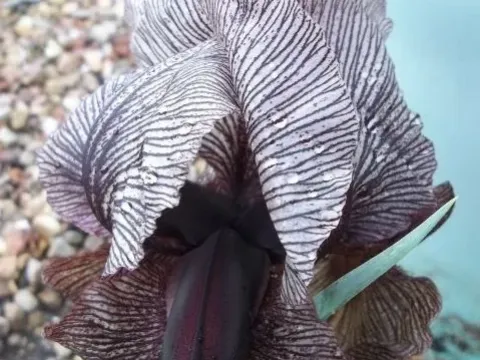
Iris lycotis
Iris lycotis
Iris lycotis is a unique species of perennial herbaceous plants belonging to the Iridaceae family. In the wild, this species is an endemic of the mountainous regions of the Armenian Highlands, primarily found within the territory of Armenia and adjacent areas.
What the section contains
Iris lycotis
The crop prefers specific habitat conditions typical of steppe and rocky mountain slopes. The plant requires excellent drainage, and it absolutely does not tolerate waterlogging in the soil, which can lead to rapid rotting of the rhizomes during the dormant period.
For successful cultivation, it is necessary to choose well-lit, sunny areas that are sheltered from strong winds. In lowland climatic conditions, the crop shows sensitivity to high humidity levels, which requires careful attention when selecting a planting site in gardens.
Soil requirements include light, permeable substrates with a neutral or slightly alkaline pH. The use of heavy clay soils requires the mandatory addition of drainage agents, such as coarse sand or fine gravel, to mimic natural mountainous conditions.
The economic use of this species is limited to ornamental horticulture and breeding. Due to its exceptional flower shape and unusual petal coloration, the plant is highly valued by collectors and breeders working with the group of Oncocyclus irises.
The primary threats to the plant are fungal diseases that develop due to excessive moisture and insufficient soil aeration. The most dangerous is bacterial soft rot of the rhizomes, which can destroy the plant in a very short period.
Pests such as cutworms and iris bulb flies can significantly reduce the decorative quality of the crop by damaging flower stalks and buds. Regular visual monitoring of the plantings allows for the timely detection of damage signs and the implementation of necessary protective measures.