
Iris kopetdagensis
Iris kopetdagensis
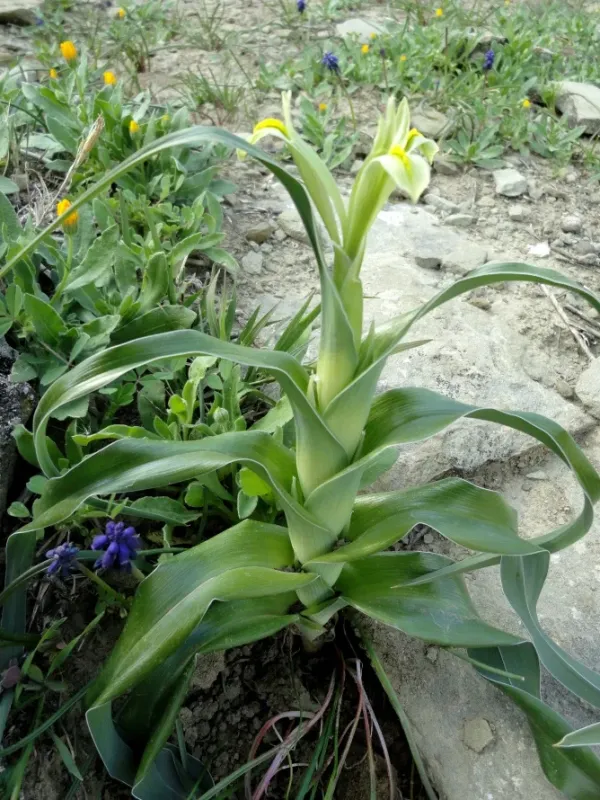
Description
Growing requirements
Iris kopetdagensis is a rare bulbous species belonging to the Iridaceae family. Native to the harsh, stony slopes of the Kopet Dag mountain range, it is adapted to high-altitude, arid environments.
The plant requires extremely well-draining soil, typically a mix of grit, sand, and lean garden soil. In cultivation, it is essential to mimic its natural environment to ensure the longevity of the bulbs.
Light requirements are strict: the species demands full, unobstructed sun exposure. Lack of light leads to poor development and often prevents the plant from reaching its flowering potential.
Climate management is the most challenging aspect. The plant enters a dormant phase in summer that must be hot and dry; therefore, protecting it from summer rainfall is a critical agricultural practice.
During the growing season, moderate irrigation is required, but the soil must be allowed to dry out completely between waterings to prevent root rot, which is the most frequent cause of failure for this species.
Main diseases and pests
Fungal diseases are the primary threat, particularly Fusarium and various types of bulb rot triggered by excess soil moisture during the summer dormancy period.
Pests such as bulb mites, thrips, and aphids can infest the plants, particularly in greenhouse conditions. Proactive management using specialized pesticides is recommended to maintain plant health throughout the year.