
Iris imbricata
Iris imbricata
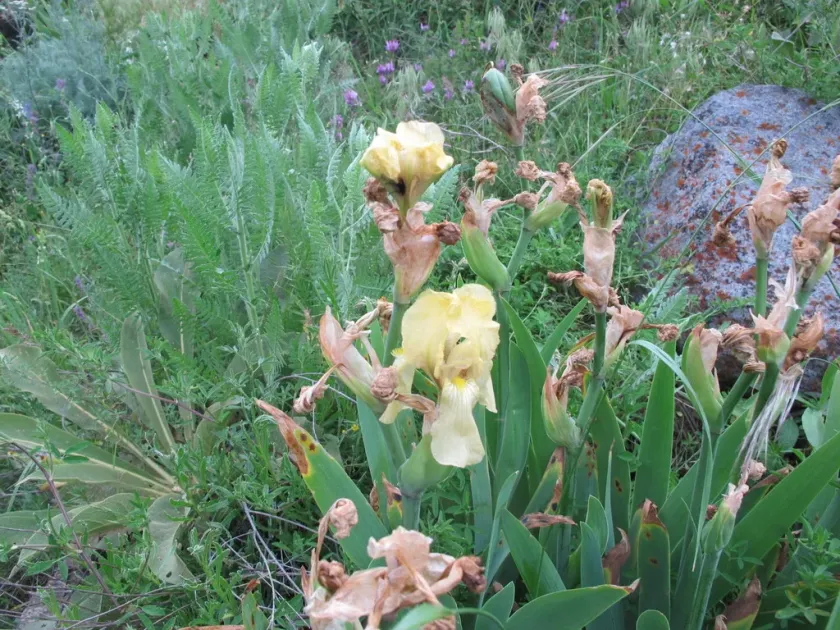
Description
Sowing dates
Propagation of Iris imbricata is primarily achieved through the division of rhizomes, which is best performed in late summer or early autumn immediately after the flowering phase ends.
When dividing, ensure each segment contains a healthy portion of the rhizome and a set of foliage, which allows the new plant to establish itself quickly before the dormant winter season.
Proper planting spacing is crucial to prevent the overcrowding of foliage, which could otherwise lead to poor airflow and increased susceptibility to various fungal pathogens.
The rhizomes should be planted shallowly, with the upper portion exposed slightly to the sun; this method is a standard agronomic practice for bearded irises to prevent overheating or rot.
Seeds can also be used for reproduction, although they require a period of stratification and have a significantly slower maturation rate compared to vegetative propagation techniques.
Growing requirements
Iris imbricata belongs to the Iridaceae family and is native to mountainous regions in the Caucasus, which influences its preference for specific environmental conditions and exposure.
The plant thrives in full sun, requiring exposure to direct sunlight for the majority of the day to ensure strong stem growth and high-quality flower production during the spring season.
The ideal soil for this species is well-drained and neutral to slightly alkaline; it must not hold excess moisture, as stagnant water is detrimental to the survival of the root system.
In terms of irrigation, the plant is relatively drought-tolerant once established, but it benefits from moderate watering during its active growth phase to promote lush foliage development.
Nutrient management focuses on balanced mineral applications; avoid high-nitrogen fertilizers that could stimulate excessive vegetative growth at the expense of floral performance and disease resistance.
Main diseases and pests
Common health issues for this species include bacterial soft rot and various fungal wilt diseases, which are typically triggered by excessive soil moisture and poor site drainage.
Insect pests such as iris borers and aphids pose a significant risk, as they can weaken the plant's structural integrity and serve as vectors for secondary bacterial infections.
Integrated pest management strategies are essential, involving the regular inspection of leaves and rhizomes to identify early signs of infestation and implement corrective measures.
Preventive fungicide treatments, particularly in early spring, help to protect the plants during their most vulnerable growth stages against the proliferation of fungal spores.
- Ensure excellent drainage in all planting beds.
- Remove any decaying debris promptly to reduce infection sites.
- Use systemic insecticides for localized pest outbreaks.