
Iris kolpakowskiana
Iris kolpakowskiana
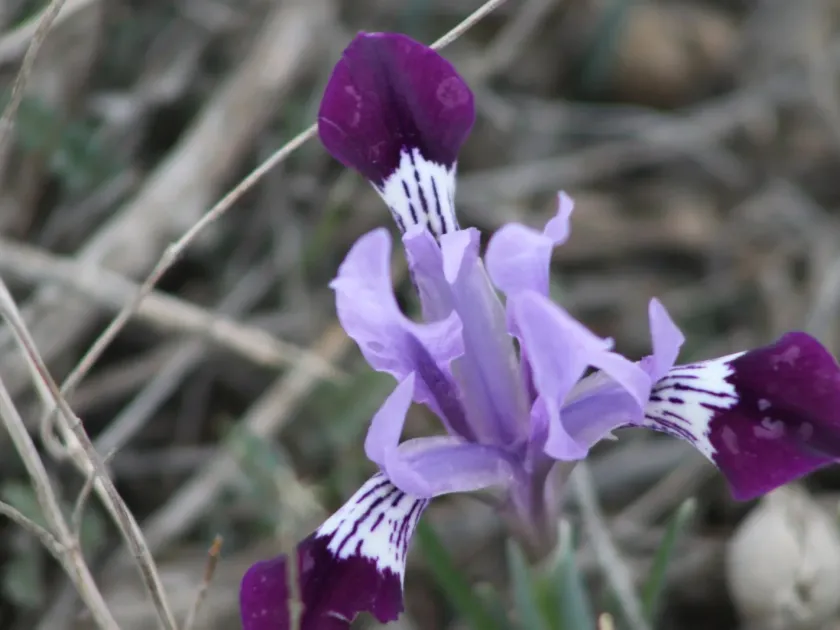
Description
Growing requirements
Iris kolpakowskiana is a rare bulbous plant belonging to the Iridaceae family. Native to the mountainous regions of Central Asia, specifically the Tian Shan range, it is adapted to rocky, well-draining slopes and distinct seasonal changes in its natural habitat.
For successful cultivation, this species requires full sun exposure and excellent drainage. In garden settings, it is best placed in rock gardens or raised beds where moisture cannot accumulate around the bulb, which is a critical factor for preventing fungal infections.
The preferred soil type for this plant is a porous, gritty, or sandy loam with a neutral to slightly alkaline pH. Heavy soils that retain water are unsuitable, as they lead to rapid decay of the bulbs, especially during the dormant phase when the plant is not actively growing.
Botanically, this iris is characterized by its miniature size, reaching heights of approximately 10 to 15 centimeters. The foliage is narrow and grass-like, while the flowers display unique, elegant petals with shades of lilac, purple, or blue, making it highly valued by collectors of bulbous plants.
Agricultural management involves providing a warm, dry summer rest period. If the local climate is rainy during the summer, it is standard practice to cover the planting area or lift the bulbs to store them in a cool, dry place until the planting season begins in the autumn.
Main diseases and pests
The primary threats to Iris kolpakowskiana are fungal pathogens, specifically those causing Fusarium wilt and various bulb rots. These diseases are almost exclusively linked to improper moisture management, which damages the root system and weakens the bulb’s natural resistance.
Pests such as wireworms and various soil-dwelling grubs can cause mechanical damage to the bulb, facilitating the entry of infections. Maintaining a clean cultivation site, applying appropriate preventative fungicides, and ensuring perfect drainage are the best methods to minimize these risks.