
Geissorhiza radians
Geissorhiza radians
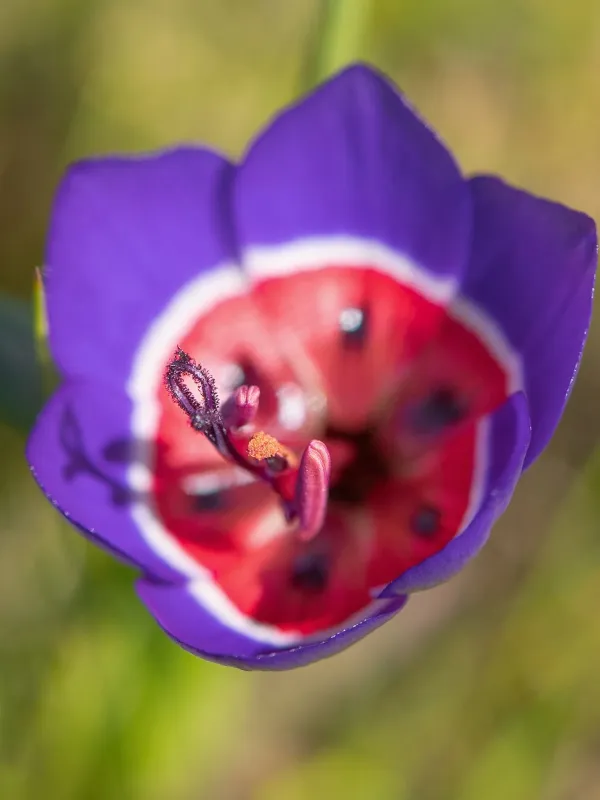
Description
Sowing dates
Planting of Geissorhiza radians bulbs typically occurs in autumn, allowing the roots to establish during the cooler months before spring growth.
The bulbs should be placed at a depth of approximately 5–8 centimeters in well-drained, porous soil to ensure proper development.
When container gardening, it is essential to use a mix that promotes rapid water drainage to prevent the bulbs from sitting in stagnant moisture.
Spacing should be managed to ensure adequate airflow between plants, which is crucial for reducing the risk of foliage-related fungal issues.
For outdoor cultivation, selecting a site that avoids frost pockets is beneficial for the long-term health of the bulb clusters.
Growing requirements
Geissorhiza radians is a member of the Iridaceae family, native to the winter-rainfall regions of the Western Cape in South Africa.
This species requires full sun exposure to trigger its vivid, characteristic blooming, which makes it a popular choice for rock gardens.
The soil must be sandy or gravelly with a low nutrient content, reflecting the natural, somewhat harsh conditions of its native habitat.
Effective management of the growth cycle involves mimicking its natural season, which includes a rainy growing period followed by a hot, dry summer dormancy.
Regular monitoring of moisture levels is required, as the plant will enter dormancy rapidly if the soil becomes excessively saturated for long periods.
Main diseases and pests
The most significant threat to Geissorhiza radians is root and bulb rot caused by waterlogged conditions, particularly during the dormant season.
Botrytis and other fungal pathogens can develop if the foliage remains wet for extended periods without adequate air circulation.
Pests such as aphids and spider mites can attack the delicate shoots, especially when the plants are grown in protected or indoor environments.
Maintaining a clean growing area and using sterilized potting soil can significantly reduce the pressure from soil-borne diseases.
Integrated pest management, including visual inspection of bulbs before planting, is essential for ensuring a healthy display of flowers.