
Geissorhiza inflexa
Geissorhiza inflexa
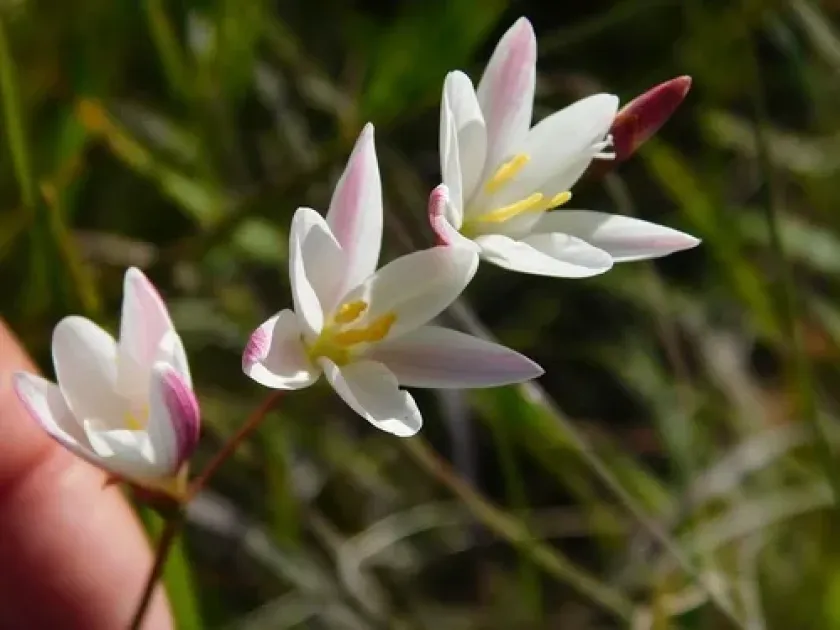
Description
Growing requirements
Geissorhiza inflexa is a perennial bulbous plant belonging to the Iridaceae family. Native to the Cape region of South Africa, it has evolved to thrive in environments characterized by cool, wet winters and dry, warm summer dormancy, which is typical for Cape flora species.
Botanically, the plant features slender stems and narrow, grass-like basal leaves. The flowers are notable for their distinct cup shape and curved petals, showcasing vibrant shades of deep blue, violet, or purple, often highlighted by contrasting dark centers that enhance their visual appeal.
For optimal growth, the species requires well-draining, sandy soils with a neutral or slightly acidic pH. The drainage capacity of the substrate is paramount; in cultivation, moisture retention in the bulb area must be strictly controlled to prevent physiological stress or decay.
The culture demands full sun exposure and protection from harsh, drying winds. While it is hardy in its natural Mediterranean-like climate, in many international regions, it is cultivated as a container plant to easily move it into protected environments during cold snaps or excessively wet periods.
The primary use of Geissorhiza inflexa is in ornamental gardening and specialty horticulture. Collectors often prize the plant for its early flowering period, which provides a vivid display when many other species are still in a dormant or early vegetative state.
Main diseases and pests
The most significant threats to this crop are fungal diseases, primarily bulb rot and Fusarium wilt, triggered by high humidity or standing water during the dormant phase. Maintaining a dry storage environment during the summer is essential to ensure the longevity of the bulbs.
Pests such as aphids and spider mites can infest the foliage, particularly under greenhouse conditions. Regular monitoring of the plants and maintaining appropriate air circulation helps in mitigating these issues, ensuring the plants remain healthy and maintain their aesthetic value.