
Geissorhiza
Geissorhiza hybrids
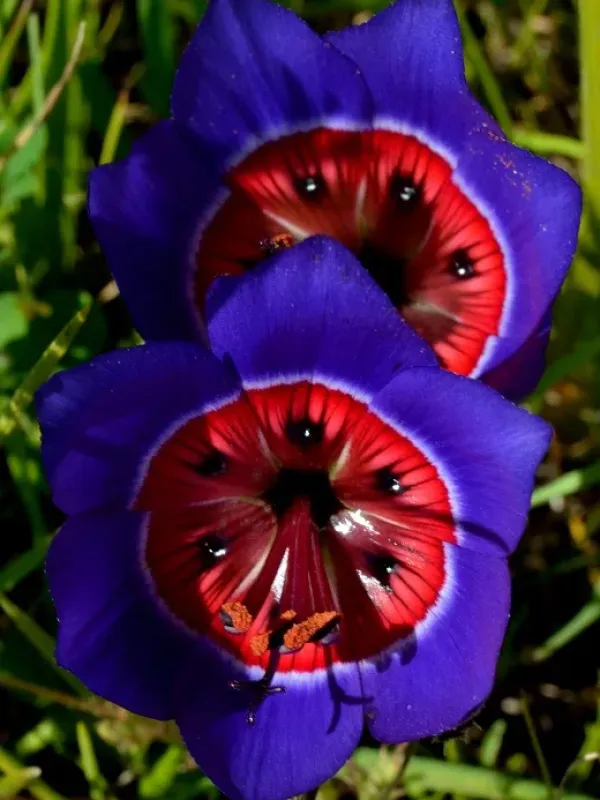
Description
Sowing dates
Geissorhiza is an elegant bulbous plant belonging to the Iridaceae family. In temperate climates, bulbs are typically planted in the spring once the soil has warmed up sufficiently, ensuring they do not rot in cold, wet ground.
In regions with milder winters, autumn planting is possible, allowing the bulbs to establish strong root systems before the onset of the active growing season. The ideal planting depth is 5 to 8 centimeters, depending on soil texture.
For seed propagation, sowing should be done in containers during late winter or early spring. Seeds require a period of stratification to improve germination rates, and seedlings should be transplanted only after the risk of frost has passed.
Selecting the right location is vital for success. These plants thrive in sheltered spots that protect them from strong winds, which can easily damage the thin, delicate stems during the peak of their flowering season.
Optimal spacing should be maintained at 10–15 centimeters between plants. This layout ensures proper air circulation, which is a critical preventive measure against the development of fungal infections within the plant population.
Growing requirements
The plant has specific soil requirements, preferring light, well-draining substrates. Waterlogging is detrimental to the bulbs, so in heavier clay-based soils, it is essential to incorporate sand or gravel to facilitate efficient drainage.
Geissorhiza requires bright, sunny locations to bloom effectively. In shaded conditions, the plant loses its aesthetic appeal, often resulting in muted flower colors and weak, leggy stems that struggle to remain upright.
Watering should be balanced throughout the growing cycle. Once the flowering phase concludes and the foliage begins to wither, watering must be significantly reduced or stopped entirely to allow the bulbs to enter dormancy without decay.
The optimal temperature range for active growth is between 15 and 22 degrees Celsius. The plants are sensitive to sudden temperature drops and may require protective covers if unexpected spring frosts occur after growth has started.
Fertilization should be handled with care, using balanced mineral mixes. Excessive nitrogen application should be avoided, as it encourages leaf growth at the expense of floral development and can make the bulbs more susceptible to disease.
Main diseases and pests
Fungal diseases are the primary threat to this crop, particularly when moisture levels remain too high. Root rot and Fusarium can spread quickly in stagnant conditions, potentially damaging large areas of the planting site.
Pests such as thrips and spider mites can attack the foliage during dry, warm periods. Routine inspections are necessary to identify these insects early and apply appropriate insecticides to maintain the health and beauty of the plants.
Bulb weevils can cause significant underground damage to the root system, often leading to the sudden decline of the plant. Using treated planting material and soil-applied insecticides can effectively manage these populations.
Nematodes represent a silent threat to the roots, making crop rotation an essential practice. Growers should always source high-quality, certified disease-free bulbs to prevent the introduction of these pests into their garden soil.
Preventive maintenance involves keeping the area clean of debris and ensuring proper soil aeration. Applying broad-spectrum fungicides during the planting stage is a recommended practice to safeguard against early-season pathogen attacks.