
Geissorhiza splendidissima
Geissorhiza splendidissima
Description
Sowing dates
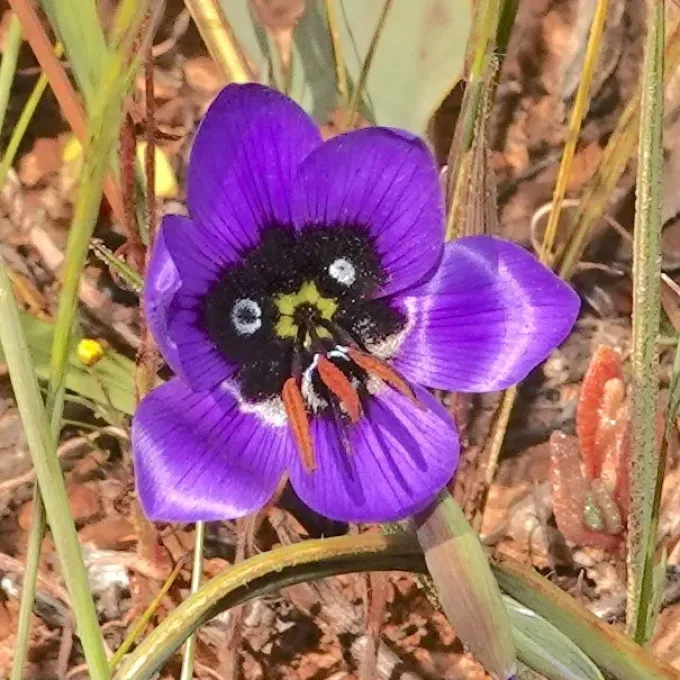
Geissorhiza splendidissima is a bulbous plant species belonging to the Iridaceae family, native to the Cape Province of South Africa. In agricultural and horticultural contexts, it is grown as a high-value ornamental crop.
In regions with mild climates, the corms are typically planted in the autumn, several weeks before the onset of the first hard frosts. This timing is critical to allow for proper root development before the plant enters dormancy.
When grown in containers or in colder climates, the corms are planted in late winter or early spring in a greenhouse or controlled environment. The planting depth should be maintained at approximately 5–8 centimeters.
Success depends on the substrate being loose and highly permeable to air and water. Standard practice involves using a sandy, well-draining medium that mimics the plant's natural habitat in the Fynbos biome.
Adequate spacing, typically around 10–15 centimeters between individual bulbs, is necessary to prevent overcrowding and ensure sufficient airflow around the foliage during the growing season.
Growing requirements
This crop requires full, direct sunlight to produce its signature vibrant blue flowers. Insufficient light levels will lead to elongated stems and a failure to produce blooms, significantly reducing the plant's ornamental value.
The soil pH should range from neutral to slightly acidic, with excellent drainage being the most critical factor. Heavy, clay-based soils must be amended with grit or coarse sand to prevent waterlogging.
During the active growth phase, moderate and consistent moisture is required. However, the soil must be allowed to dry out slightly between watering cycles to prevent root rot, which is the most common cause of crop loss.
The plant thrives in cool to moderate temperatures, ideally between 10 and 20 degrees Celsius. It is highly sensitive to extreme heat and prolonged freezing temperatures, necessitating careful climate management.
Once the flowering phase concludes, the plant transitions into a dormant stage. During this time, irrigation must be gradually withheld until the foliage dies back completely, allowing the corms to harden for the next cycle.
Main diseases and pests
Fungal diseases, particularly those affecting the roots and corms, represent the most significant threat to the crop. These are almost exclusively associated with improper watering practices and poor drainage.
In indoor environments, poor ventilation can lead to outbreaks of spider mites or thrips. Monitoring foliage for early signs of infestation is essential for maintaining the health of the planting.
Storage of the corms requires careful attention to humidity levels. Any excess moisture during the dormant period will almost inevitably lead to the development of mold and bulb rot.
Nitrogen-heavy fertilizers should be avoided, as they promote soft, succulent growth that is highly susceptible to bacterial infections and mechanical damage. Balanced mineral fertilization is preferred.
Practicing strict hygiene, including the sterilization of containers and rotation of planting sites, is necessary to prevent the accumulation of soil-borne pathogens that thrive in the cool, moist conditions favored by the plant.