
Geissorhiza monanthos
Geissorhiza monanthos
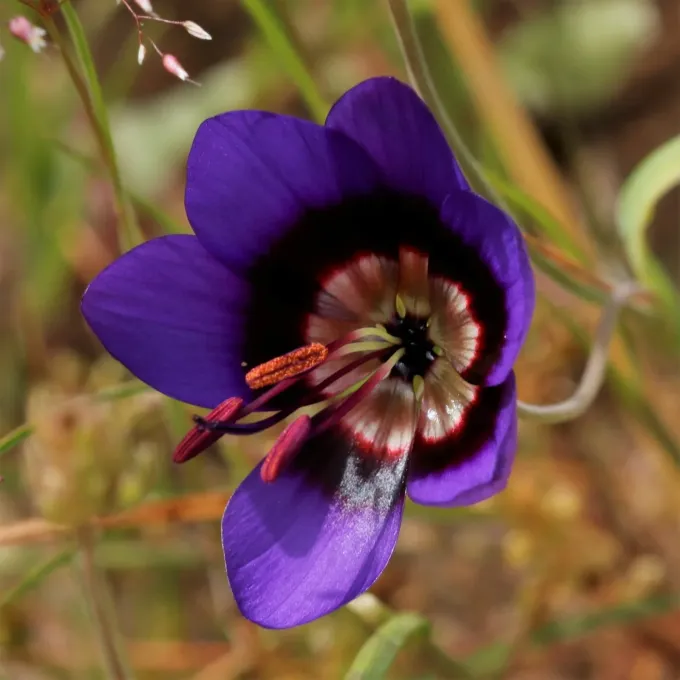
Description
Sowing dates
Planting of Geissorhiza monanthos is primarily carried out in the autumn period when the soil temperature drops to a comfortable 10–12 degrees Celsius.
For regions with harsh winters, container cultivation is practiced, allowing bulbs to be moved to a frost-free location during the dormancy period.
The optimal planting depth for the corms is between 5 and 8 centimeters, depending on the soil texture, ensuring reliable rooting before winter.
The spacing between plants during group planting should be at least 10–15 centimeters to prevent excessive competition for nutrients.
It is recommended to use a well-draining substrate, as waterlogging at low temperatures is destructive to the plant's root system.
Growing requirements
Geissorhiza monanthos belongs to the Iridaceae family and is a typical representative of the Cape floral kingdom in South Africa.
The crop prefers open, well-lit areas, as insufficient sunlight causes stems to stretch and reduces the intensity of flowering.
The plant has specific soil requirements: it needs loose, well-draining soil with a neutral to slightly acidic pH level.
The plant does not tolerate excessive moisture, so when growing in open ground, it is necessary to provide a high-quality drainage layer.
During the growing season, the plant requires moderate but regular watering, while during dormancy, the soil must remain dry to prevent bulb rot.
Main diseases and pests
The main threat to the crop comes from fungal diseases caused by poor water management and moisture stagnation in the soil.
Among pests, spider mites and thrips are the most dangerous, potentially affecting the leaves under conditions of low air humidity.
Root rot is the most common problem, often resulting from poor agricultural practices and the use of heavy, clayey soils.
To prevent pest infestations, regular inspection of the plantings and the timely application of broad-spectrum insecticides are recommended.
Crop rotation and regular disinfection of planting material significantly reduce the risk of infection spreading in floral nurseries.