
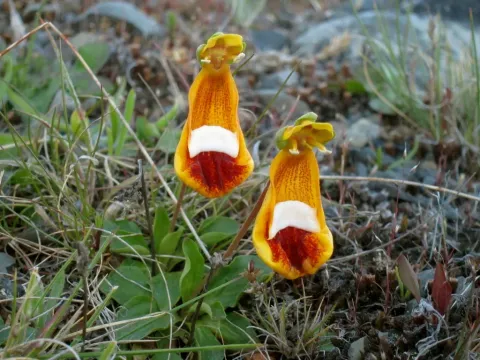
Calceolaria
Calceolaria L.
Sowing Calceolaria seeds is typically performed in late winter or early spring, usually in February or March. The seeds are extremely small, so they should be sown on the surface of a moist substrate without covering them with soil, then covered with glass or film to maintain humidity.
What the section contains


Calceolaria
Once the first seedlings emerge, the cover should be removed gradually to allow fresh air circulation. Pricking out seedlings is done upon the appearance of the first true leaves, transplanting them into individual pots with nutrient-rich soil mix.
The optimal germination temperature ranges from 18 to 20 degrees Celsius. Maintaining stable soil moisture is crucial, avoiding both drought and waterlogging to prevent seedling death during the early stages.
To accelerate seedling growth, supplementary lighting with phytolamps is recommended, as the daylight hours in late winter are insufficient for the plant's full development.
When seedlings reach a height of 10–12 centimeters, the terminal buds should be pinched to stimulate branching and ensure a compact, bushy habit in the mature plant.
Calceolaria thrives in cool climates with bright, indirect light. Direct sunlight can cause severe burns on the delicate leaves, so shading is recommended during peak daylight hours.
A light, loose, and fertile substrate with a neutral to slightly acidic pH is essential for success. The potting mix must provide excellent drainage, as water stagnation is lethal to the plant's root system.
The temperature during active growth should be maintained between 14 and 16 degrees Celsius. Temperatures exceeding 20 degrees Celsius negatively impact the plant's ornamental value and flowering duration.
Watering should be regular, moderate, and applied strictly to the soil. It is vital to prevent water from reaching the velvety foliage, as moisture on the leaves often triggers fungal infections.
During the budding and flowering phases, the plant requires regular fertilization with balanced liquid fertilizers for flowering crops, applied once every two weeks.
This crop is susceptible to several serious fungal diseases, with grey mould and late blight being the most common. These conditions often arise due to poor ventilation and improper humidity management.
High soil moisture can lead to Pythium root rot, causing rapid root decay. Other recorded issues include Verticillium wilt and Sclerotinia rot, which can devastate entire plant batches.
Tomato mosaic virus is a significant viral threat, causing leaf deformation and stunted growth. As viral diseases are incurable, affected plants must be removed and destroyed immediately to prevent spread.
Bacterial leaf spot presents as dark, water-soaked lesions, requiring prompt removal of affected tissues and the application of copper-based fungicides to contain the spread.
Major pests include aphids, whiteflies, and spider mites. Effective management involves regular scouting and the timely application of appropriate insecticides following agricultural safety protocols.