
Calceolaria polyrrhiza
Calceolaria polyrrhiza Cav.
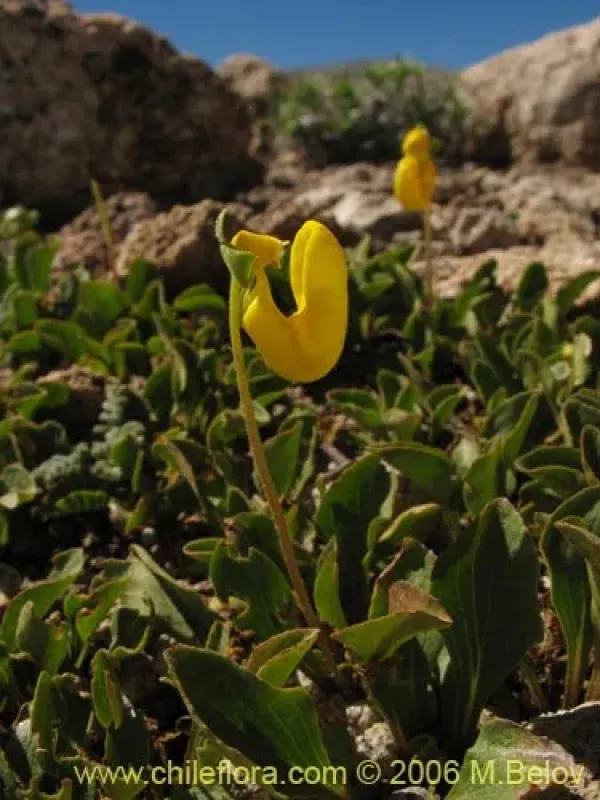
Description
Sowing dates
The sowing of Calceolaria polyrrhiza seeds is typically scheduled for late winter or early spring to ensure developed seedlings by the start of the season. The seeds of this crop are extremely small, so they should be distributed evenly over the surface of the growing medium without covering them with soil, then covered with glass to maintain constant humidity.
The optimal temperature for seed germination is in the range of 18-20 degrees Celsius. It is crucial to provide sufficient light from the moment the sprouts appear, as young plants are highly sensitive to light deficiency, which can easily lead to etiolation and weak growth.
Stratification of seeds can sometimes contribute to more uniform germination. For professional cultivation, it is recommended to use peat pellets or sterile soil mixed with sand to improve aeration of the root system during the early stages of plant development.
Pricking out the seedlings is performed when two true leaves have formed. Plants are quite sensitive to transplanting, so using individual containers is the preferred method to maintain the integrity of the delicate root system and ensure better establishment.
Transplanting seedlings into open ground or alpine gardens should only be carried out after the threat of late frosts has completely passed. Calceolaria polyrrhiza prefers a gradual adaptation to outdoor conditions, so hardening off the seedlings in the open air should last at least two weeks.
Growing requirements
The plant belongs to the Calceolariaceae family and is valued for its compact form and vibrant flowers. Native to the mountainous regions of South America, Calceolaria polyrrhiza has specific requirements regarding drainage and soil quality for optimal performance.
The crop prefers moderately moist, well-aerated soils with a neutral or slightly acidic reaction. Water stagnation is a lethal factor, so adding gravel or coarse sand to the soil mix is essential to ensure proper drainage and prevent root suffocation from excess moisture.
Cool conditions are necessary for comfortable growth, as excessive heat negatively affects the decorative qualities of the foliage and the intensity of flowering. The ideal planting site is partial shade, protected from direct, harsh midday sun which can scorch the leaves.
Regular but moderate watering is the key to the successful development of the culture. Water for irrigation should be at room temperature, and it is advisable to minimize moisture hitting the delicate flowers and leaf blades to prevent fungal issues or physical damage.
The plant responds well to the application of balanced mineral fertilizers during the active growing season. However, excess nitrogen should be avoided, as it encourages excessive vegetative growth at the expense of flowering and reduces the plant's overall resistance to unfavorable climatic factors.
Main diseases and pests
The main threat to Calceolaria polyrrhiza is fungal disease, which develops in conditions of high air humidity and waterlogged soil. Gray mold and root rot can quickly destroy the plant if there is insufficient ventilation in the planting area.
Among pests, aphids cause the most significant damage by settling on the underside of the leaves and sucking out cell sap. In dry, hot weather, spider mites may appear, potentially leading to the deformation and premature dropping of foliage, which ruins the appearance of the plant.
Whiteflies can also become a serious issue when growing the culture in greenhouses or nurseries. To combat these insects, systemic insecticides should be used, strictly following dosage guidelines to avoid causing chemical burns to the plant's tender tissues.
Disease prevention consists of maintaining proper watering schedules, timely removal of spent flower heads, and ensuring free air circulation between the plants. Mulching the area with dry gravel helps prevent direct contact of the foliage with damp soil, significantly lowering infection risks.
If the first signs of pest or pathogen infestation are detected, sanitary treatment using fungicides or biological-based insecticides should be applied. This approach allows for effective population control without imposing excessive chemical stress on the plant or the surrounding environment.