
Calceolaria mexicana
Calceolaria mexicana Benth.
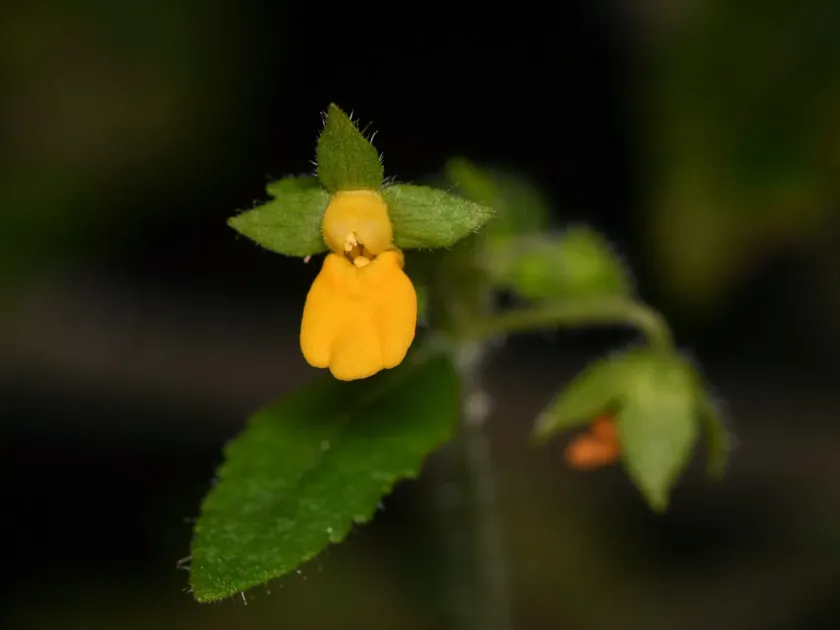
Description
Sowing dates
Calceolaria mexicana is typically propagated by seeds sown in late winter or early spring in a sheltered, controlled environment. Given the minute size of the seeds, they should be scattered on the surface of fine-textured, damp substrate without covering.
To ensure uniform germination, maintain a constant temperature between 18 and 20 degrees Celsius. Providing high ambient humidity by covering the container with plastic or glass is crucial during the early stages of plant development.
Seedlings should be pricked out into individual pots once they develop their first set of true leaves. This spacing prevents overcrowding and competition for nutrients, which is vital for the development of a healthy root system.
During the seedling stage, adequate light intensity is mandatory to prevent etiolation. If natural light levels are low, supplemental artificial lighting should be provided to maintain sturdy, compact plant growth.
Before transplanting to their final location, seedlings must be hardened off over a period of two weeks. This adjustment process helps them acclimatize to external temperature fluctuations and variable air humidity levels.
Growing requirements
As a member of the Calceolariaceae family, this species requires a nutrient-rich, well-draining soil mix with a slightly acidic to neutral pH. Heavy, water-retaining soils should be avoided as they often lead to root rot issues.
The plant thrives in bright, indirect light. Direct sunlight can scorch the foliage and cause flower drop, so placement in a semi-shaded or east-facing location is generally considered optimal for indoor and container growth.
Temperature management is key; the plant prefers cool to temperate conditions. Temperatures exceeding 25 degrees Celsius will negatively impact growth rates and significantly shorten the flowering duration of the specimen.
Watering should be performed regularly, ensuring the soil remains moist but never waterlogged. The use of self-watering pots or trays with moist pebbles can help maintain the high humidity levels that this plant species prefers.
Fertilization with a balanced, water-soluble fertilizer is recommended every two weeks during the active growth phase. Care should be taken to avoid high-nitrogen formulas, which encourage foliage growth at the expense of floral development.
Main diseases and pests
Common pests include aphids and whiteflies, which tend to congregate on the undersides of leaves. These pests weaken the plant by feeding on sap and can act as vectors for various plant viruses if left unmanaged.
Root rot and grey mold are the most frequent pathological issues, usually triggered by poor drainage or high humidity combined with stagnant air. These conditions favor the growth of fungi that quickly infect the stems.
Integrated pest management, including the use of systemic insecticides or insecticidal soaps, is effective in controlling aphid outbreaks. Regular inspection of the plant foliage is necessary to detect infestations at early stages.
Fungal issues are best managed by ensuring good ventilation and avoiding wetting the leaves during the irrigation process. Removing infected plant debris immediately helps to limit the spread of potential pathogens.
Using sterilized potting mixes and maintaining proper plant spacing are essential preventive measures. A dry, clean environment helps to mitigate the impact of common diseases on the health of the plant.