
Calceolaria x herbeohybrida
Calceolaria x herbeohybrida Voss
Description
Sowing dates
Sowing Calceolaria x herbeohybrida seeds requires surface placement, as they are minute and light-dependent for germination. The ideal sowing period is late spring to ensure proper development before the shorter days of winter.
A light, peat-based substrate mixed with sand is recommended for sowing. Keeping the containers covered with glass maintains the necessary humidity and a consistent temperature of 18–20°C.
Pricking out the seedlings occurs once the first pair of true leaves appears. This process must be handled delicately due to the sensitive nature of the root system at this stage.
Transplanting into 10–12 cm pots follows the initial growth period. During this time, maintaining high light intensity without direct exposure to harsh sun is vital for healthy leaf formation.
Consistent moisture management is essential throughout the seedling phase. Avoiding both saturation and complete dehydration is the key to producing a strong root system.
Growing requirements
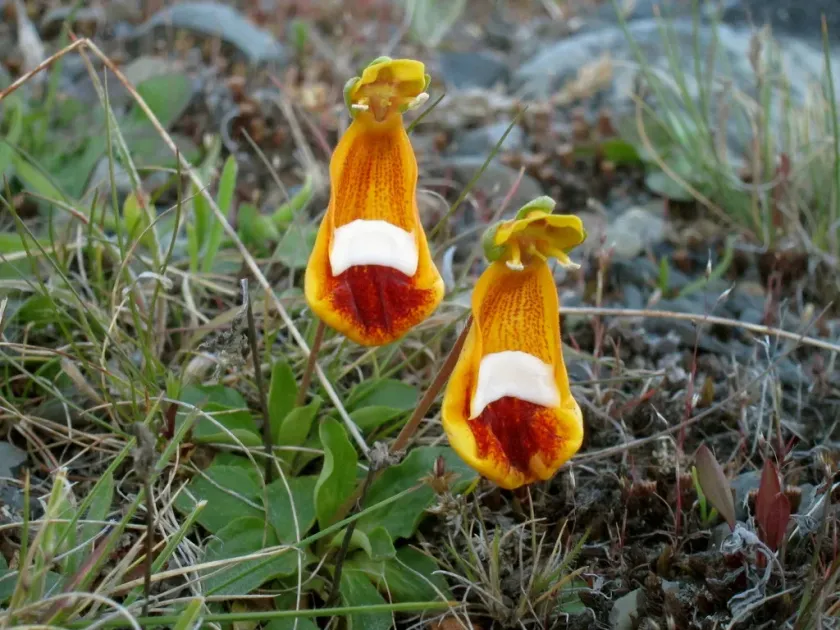
Calceolaria x herbeohybrida belongs to the Scrophulariaceae family. This hybrid species is widely cultivated for its unique, pouch-shaped flowers that distinguish it in the floriculture market.
The plant thrives in cool temperatures, ideally between 12°C and 15°C. High temperatures above 20°C significantly hinder flowering and may cause the plant to wilt prematurely.
Soil requirements include a fertile, well-draining, and slightly acidic medium. Providing proper drainage prevents the common issue of root rot in indoor containers.
Bright, filtered light is necessary for this species. Direct sunlight should be avoided as it scorches the delicate leaves and causes the vibrant flowers to fade rapidly.
While the plant enjoys humidity, overhead irrigation is not recommended as it promotes fungal issues. Bottom watering is the preferred method for maintaining optimal soil moisture.
Main diseases and pests
Aphids and whiteflies represent the primary pest threats to the plant. These insects congregate on the undersides of leaves and on buds, extracting nutrients and causing severe deformation.
Excessive humidity combined with poor airflow leads to gray mold (Botrytis). This fungal disease can destroy a plant population in a very short amount of time if left unchecked.
Root rot is a major physiological threat often caused by overwatering or compacted soil. Using sterile, high-quality potting mixes is a fundamental preventative measure.
Integrated pest management, including the use of systemic insecticides, is necessary to control infestations. Always ensure treatments are applied safely according to label instructions.
Regular inspection of the plant's canopy is critical. Early detection of pests or mold allows for targeted interventions that preserve the plant's aesthetic value for the market.