
Calceolaria tripartita
Calceolaria tripartita
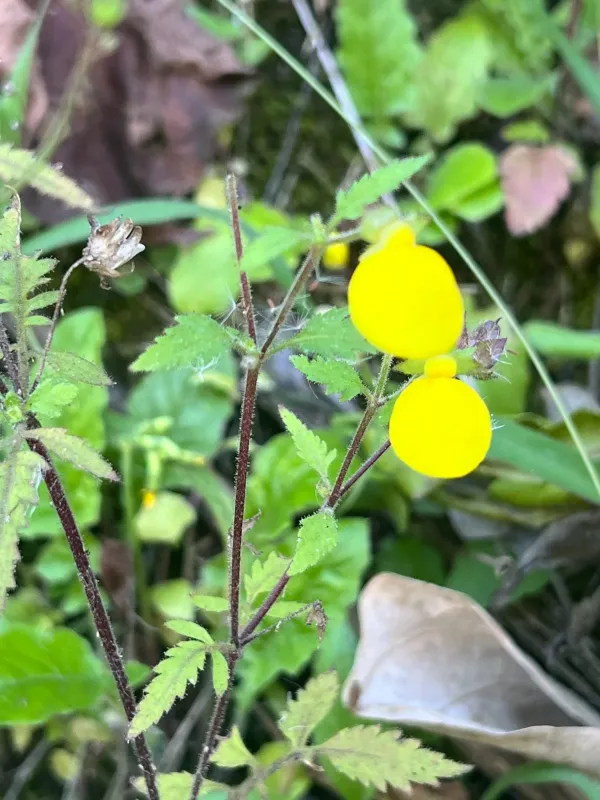
Description
Sowing dates
Calceolaria tripartita is a member of the Calceolariaceae family, originating from South America, known for its unique slipper-shaped blossoms.
Seeds are extremely small and should be sown on the surface of a light, moist starter mix without covering them, as they require light to germinate.
The optimal germination period occurs at temperatures between 18 and 20 degrees Celsius, requiring a consistent environment for success.
Young seedlings should be kept in a well-ventilated area with bright light to prevent stretching and to encourage strong stem development.
Transplanting into final pots or containers is best done once the plants have developed sufficient root mass and the danger of frost has passed.
Growing requirements
This species thrives in cool environments with bright, filtered sunlight, as intense midday heat can quickly scorch its foliage.
Soil requirements include a high-quality, peat-based mix that offers excellent drainage while maintaining necessary moisture levels.
Regular watering is essential, but it must be precise; the plant prefers the soil to be slightly moist but never waterlogged to avoid root rot.
Maintaining high relative humidity is vital, especially in indoor environments, to ensure the health and longevity of the flowers.
A balanced liquid fertilizer applied during the growth cycle supports lush foliage and the development of the plant's characteristic bright blooms.
Main diseases and pests
Common pests affecting this crop include aphids and whiteflies, which tend to infest the undersides of leaves and cause significant stress.
Fungal issues, particularly gray mold and stem rots, represent the most significant threat during periods of high humidity and poor air circulation.
Effective pest management involves early detection and the use of insecticidal soap or specialized horticultural products to control infestations.
Good cultural practices, such as proper spacing and cleaning of debris, are the most effective ways to mitigate the risk of pathogen spread.
Always ensure that water does not accumulate in the crown of the plant, as stagnant water is a primary cause of rapid tissue decay.