
Asteranthera
Asteranthera
Asteranthera is a monotypic genus of flowering plants belonging to the Gesneriaceae family. In nature, it is an evergreen creeping or climbing vine found exclusively in the temperate rainforests of southern Chile and Argentina.
What the section contains

Asteranthera
This culture has specific climate requirements, preferring high air humidity and moderately cool temperatures. In its natural habitat, it thrives in coastal forests characterized by frequent mist and the absence of extreme temperature fluctuations.
Soil requirements include a loose, humus-rich, and constantly moist substrate with an acidic to neutral pH. The plant does not tolerate drought or direct sunlight, so it must be grown in semi-shaded areas protected from drafts.
Agrotechnology for Asteranthera in greenhouse or indoor gardening involves using substrates based on peat, coniferous bark, and sphagnum moss. Ensuring proper drainage is critical to prevent water stagnation at the roots, which can lead to rapid root rot.
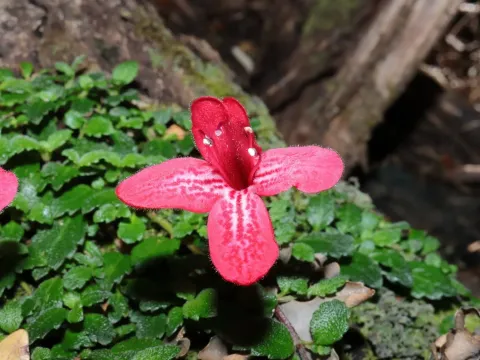
Botanically, the culture is notable for its bright red tubular flowers that appear in the leaf axils. The leaves are opposite, leathery, and have serrated edges, providing a decorative appearance throughout the entire vegetation period.
The main threats to the plant in enclosed growing environments are fungal diseases caused by substrate waterlogging at low temperatures. Root and stem rots are the most common issues, spreading rapidly in poorly ventilated conditions.
Among pests, spider mites and scale insects pose the greatest danger, as they proliferate quickly in low-humidity environments. Regular misting and keeping leaves clean are mandatory preventative measures.
The plant is also sensitive to chlorosis, which occurs when watered with hard water containing high levels of calcium salts. It is recommended to use only soft, room-temperature water for irrigation.
In case of mealybug infestation, treatment with systemic insecticides suitable for ornamental plants is necessary. It is important to monitor dosage carefully to avoid damaging the delicate tissues of the vine's leaves.
Maintaining a strict phytosanitary regime and promptly removing dead plant material significantly reduces the risk of disease outbreaks. Preventive inspections should be conducted at least once a week.