
Calceolaria chelidonioides
Calceolaria chelidonioides
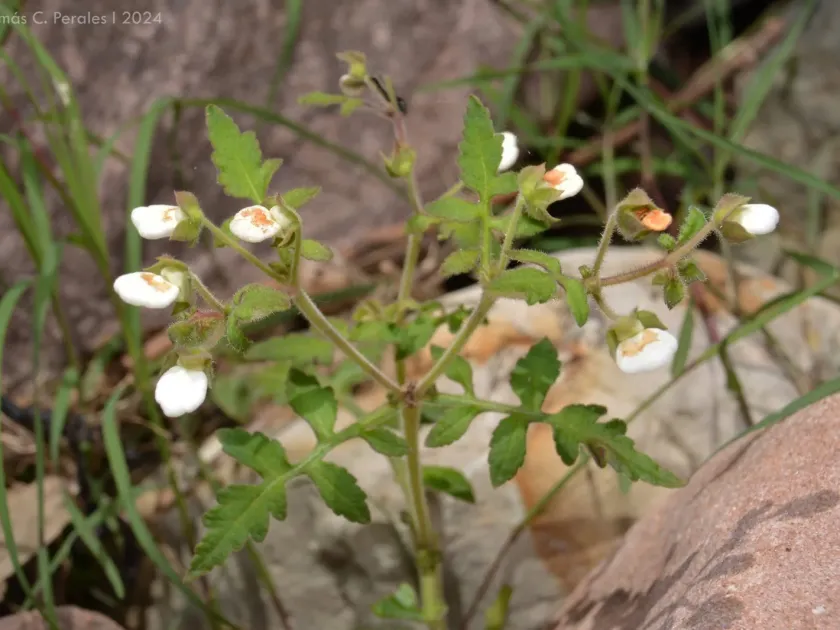
Description
Sowing dates
Calceolaria chelidonioides is an annual herb belonging to the Calceolariaceae family. This species is known for its rapid growth rate, making it an interesting subject for greenhouse cultivation and decorative gardening.
The sowing process requires fine-textured, sterile soil media. Seeds should be sown on the surface due to their microscopic size and pressed gently into the substrate without covering, as they require light to germinate.
Maintaining high humidity is crucial during the germination phase. Covering the seed trays with plastic or glass helps create a microclimate that prevents the delicate seeds from drying out prematurely.
Germination typically occurs within two weeks under optimal temperatures of 20 degrees Celsius. Seedlings are quite fragile and require careful handling during the transplanting process into individual pots.
Consistent environmental control at the seedling stage ensures robust development and prevents the plants from becoming leggy. Proper spacing is essential to encourage healthy, bushy growth patterns.
Growing requirements
This plant thrives in well-aerated, fertile, and slightly acidic soils. Good drainage is non-negotiable, as the roots are highly susceptible to damage caused by prolonged exposure to standing water.
Bright, indirect light is preferred for healthy growth. Intense, direct sunlight can lead to scorching of the leaves, while insufficient light levels will result in weak stems and poor flowering performance.
The irrigation strategy should focus on keeping the soil consistently moist but never waterlogged. It is recommended to water early in the day, focusing on the soil surface to keep the foliage dry.
Nutrient requirements are moderate. Applying a balanced water-soluble fertilizer during the peak growing season helps support the energy demands of the plant throughout its flowering cycle.
Temperature control is vital for success. The species prefers cool to moderate climates and may suffer stress if ambient temperatures rise significantly above 25 degrees Celsius, especially in confined spaces.
Main diseases and pests
Root rot caused by Oomycetes or various soil-borne fungi is the most significant threat. This is almost always triggered by poor drainage or excessive irrigation practices in a home or garden setting.
Whiteflies are a major pest for this species, especially in greenhouse environments. Their feeding activity drains the plant of vital nutrients and facilitates the spread of viral infections.
Spider mites represent a risk, particularly when humidity levels drop too low. Periodic misting and checking the undersides of the leaves can help identify and control early infestations effectively.
Aphids tend to congregate on young, tender shoots, causing curling and deformation. If left untreated, they can quickly colonize the entire plant, weakening its immune system and overall growth.
Integrated pest management, including regular monitoring and early intervention with biological or chemical controls, is the most effective approach for maintaining healthy stocks of this plant.