
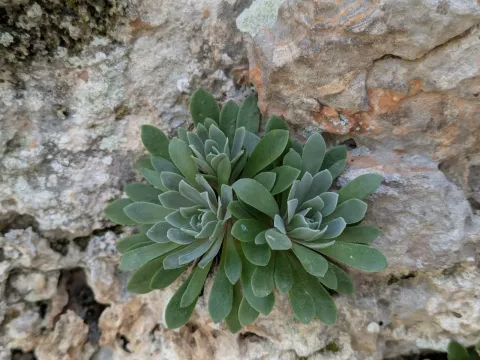
Rosularia
Rosularia
Rosularia is a genus of perennial succulent plants belonging to the Crassulaceae family. They are known for their compact rosettes of fleshy leaves, which serve as water storage organs, allowing the plants to thrive in arid and harsh mountainous environments.
What the section contains


Rosularia
The native distribution of this genus spans across the Mediterranean, the Caucasus, and Central Asia. They typically occupy rocky crevices, scree slopes, and alpine areas, where they adapt to extreme temperature fluctuations and limited soil resources.
The primary requirement for successful cultivation is excellent drainage. Rosularia cannot tolerate "wet feet," meaning the soil substrate must be highly porous, consisting mainly of mineral components like coarse sand, gravel, and grit to prevent root decay.
These plants demand high light intensity to maintain their aesthetic rosette form. Insufficient sunlight results in etiolation, where the plant stretches and loses its compact density, making it structurally weaker and less resistant to pathogens.
Rosularia species are well-adapted to varied climatic conditions, demonstrating significant hardiness during winter months. Their ability to survive with minimal water makes them an excellent choice for xeriscaping and sustainable rock garden design.
The most significant threat to Rosularia is root and crown rot, primarily induced by overwatering or poorly draining soil. To mitigate this risk, it is essential to ensure that the growing medium dries out completely between watering sessions.
Mealybugs are the most common pests that infest these succulents, hiding deep within the tight rosettes. Regular monitoring and the application of appropriate systemic insecticides or targeted alcohol treatments can help control infestations.
Fungal issues, such as leaf spot or damping-off, can occur in stagnant, humid environments with poor air circulation. Proper spacing between individual plants and maintaining a clean, debris-free environment are critical preventative strategies.
Slugs and snails may browse on the succulent foliage in outdoor garden settings. Using mineral mulches, such as crushed granite, helps create a hostile surface for these pests and prevents their movement toward the plants.
Nutritional imbalances, particularly high-nitrogen fertilizers, can trigger abnormal, succulent growth that is more susceptible to frost damage and pest attacks. Only mineral-based fertilizers formulated specifically for succulents should be used sparingly.