
Rosularia libanotica
Rosularia libanotica
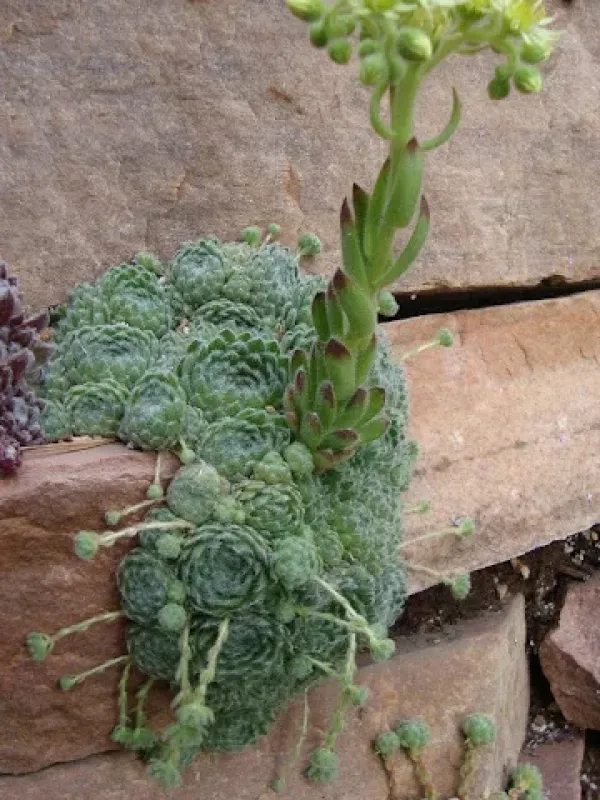
Description
Growing requirements
Rosularia libanotica is a perennial succulent species belonging to the Crassulaceae family. Native to the mountainous regions of Lebanon and the Near East, it is highly adapted to rocky crevices and high-altitude habitats where precipitation is sporadic.
The plant features compact, fleshy rosettes of leaves that function as water storage units. These rosettes can form dense mats, making the plant an excellent ground cover in suitable climate zones that mimic its native rocky environment.
Cultivation requirements necessitate high levels of solar exposure. Unlike shade-tolerant succulents, Rosularia libanotica requires full sun to maintain its structural integrity and prevent the etiolation of its leaf rosettes.
Soil quality is paramount for this species. It demands a highly porous, well-draining substrate typically composed of mineral components such as grit, sand, and fine gravel, ensuring that the root system remains aerated at all times.
Economically and horticulturally, this plant is primarily utilized in ornamental gardening. It is frequently employed by landscape designers to fill gaps in stone walls, alpine rock gardens, and troughs, providing a distinct xerophytic aesthetic.
Main diseases and pests
The most significant threat to Rosularia libanotica is root rot, induced by excessive moisture or standing water in the substrate. Given its adaptation to dry environments, even short-term waterlogging can lead to the systemic collapse of the root system.
Fungal pathogens such as Rhizoctonia and various oomycetes thrive if the humidity remains high around the leaf base. Proper air circulation is a critical management practice to keep the foliage dry and healthy.
Pest management often focuses on common succulent pests including mealybugs and spider mites. These organisms thrive in environments where the plant is stressed by lack of proper airflow or improper watering cycles.
Management of these threats involves a combination of preventative cultural practices, such as top-dressing the soil with inorganic materials, and the use of targeted systemic pesticides if an infestation is detected early.
Winter care is also essential in climates with high rainfall, where the plants should be protected from excess moisture to prevent frost damage caused by tissue saturation, ensuring the survival of the succulent rosettes.