
Sedum brissemoretii
Sedum brissemoretii
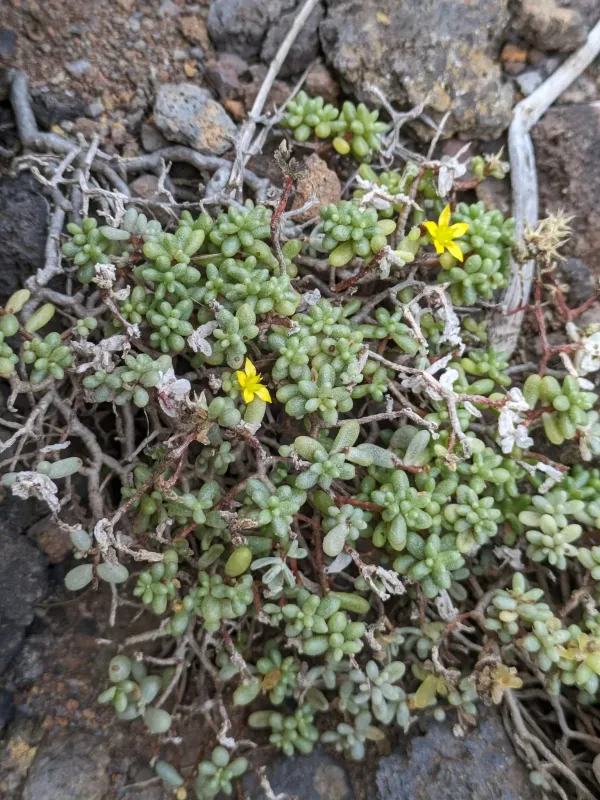
Description
Growing requirements
Sedum brissemoretii is a perennial succulent plant belonging to the Crassulaceae family. It is recognized for its adaptive nature and typical succulent morphology, which allows it to thrive in nutrient-poor and rocky environments where other plants might struggle to establish.
The successful cultivation of this species requires well-draining, porous soil conditions. Gardeners are advised to mix standard soil with gravel, perlite, or coarse sand to mimic the plant's natural habitat. Ensuring that water flows away from the roots quickly is the primary factor in preventing mortality.
This culture is highly drought-tolerant, relying on its water-storing tissues to survive extended dry periods. It prefers full sun exposure, which is crucial for maintaining a compact growth habit and preventing the stems from stretching, a condition often referred to as etiolation.
Temperature requirements for Sedum brissemoretii are quite flexible. While it can withstand periods of high heat, it also shows good cold hardiness in its native range. During extreme winter conditions, some protection, such as a layer of mulch, can help maintain soil temperature stability.
In terms of agricultural and horticultural use, it is primarily utilized as a groundcover for xeriscaping. Its ability to create dense mats makes it an excellent choice for rock gardens, stone walls, and green roof projects where low-maintenance and moisture-efficient vegetation is required.
Main diseases and pests
The most significant threats to the health of Sedum brissemoretii are fungal infections associated with excessive moisture. Root rot is a common issue when the plant is kept in saturated substrates for prolonged periods, which can quickly lead to the collapse of the entire specimen.
Pests such as mealybugs and aphids are frequent challenges for this succulent. These insects cluster in the axils of the leaves or on the growing tips, extracting nutrients and causing stunted development. Manual removal or insecticidal soap application is usually effective for early-stage infestations.
Another major concern is the presence of root-knot nematodes, which cause gall formation on the root system. These microscopic pests significantly hinder the plant's ability to take up water and nutrients, eventually causing the plant to turn yellow and lose vitality.
Gray mold, or Botrytis, can develop on the foliage if there is inadequate airflow or high atmospheric humidity. It is best managed by pruning affected leaves and ensuring the planting site provides sufficient spacing for natural ventilation between the plants.
To maintain a robust culture, it is recommended to monitor for signs of decay regularly. Providing adequate drainage and preventing the accumulation of fallen debris around the base of the plant are critical steps in reducing the habitat for potential pests and soil-borne pathogens.