
Rhodiola wallichiana
Rhodiola wallichiana
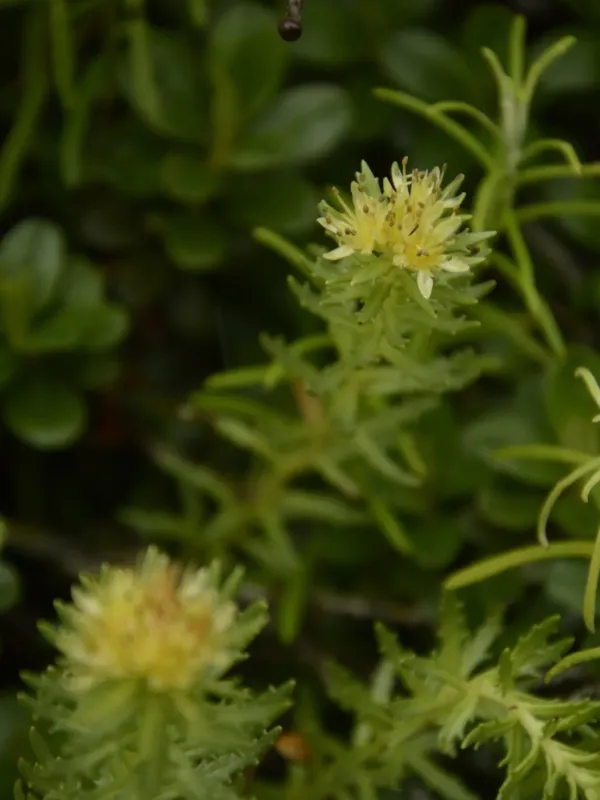
Description
Sowing dates
Rhodiola wallichiana is a perennial herb belonging to the Crassulaceae family, known for its significant medicinal properties. To propagate this species, seeds are sown in early spring or autumn, requiring cold stratification to ensure high germination rates.
The seeds are small, so they should be sown on the surface of well-prepared, fine-textured soil and covered with a very thin layer of substrate. Maintaining consistent moisture during the germination period is critical for establishing a healthy seedling stand.
Because growth is slow during the first year, providing a weed-free environment is essential for the survival of young plants. Row spacing should allow for mechanical or manual weeding throughout the entire growth season.
Propagation by root division is a highly effective alternative to seeding. Dividing healthy rhizomes in early spring allows for quicker establishment and shorter times until the first harvest cycle compared to plants grown from seeds.
When starting from seeds, using a greenhouse or a nursery bed is recommended to protect delicate seedlings from harsh environmental conditions and ensure they are strong enough for transplanting.
Growing requirements
Originating from high-altitude mountainous regions, Rhodiola wallichiana prefers well-drained, sandy-loam soils with neutral to slightly acidic pH levels. It does not tolerate waterlogging, which often leads to immediate root decay.
The plant thrives in cool to moderate climates, making it suitable for temperate regions with significant elevation or cooler summers. While it enjoys plenty of light, it can benefit from light shading in the hottest hours of the day.
Adequate soil aeration is crucial for the development of healthy rhizomes. Incorporating organic matter into the soil before planting provides the necessary nutrients while improving the structure and drainage capacity of the land.
Water management must be precise; the plant requires moderate watering during the growing season but should be allowed to dry out between applications to prevent fungal proliferation in the root zone.
Rhodiola wallichiana is highly winter-hardy and can withstand freezing temperatures, making it a viable crop for regions with severe winters, provided the plants are protected by a layer of snow or mulch.
Main diseases and pests
The main threat to the cultivation of Rhodiola wallichiana is root rot caused by stagnant water. Excessive humidity in the soil environment promotes the growth of pathogens that can destroy the root system within a very short time.
Soil pests, such as wireworms and various beetle larvae, can bore into the roots, creating entry points for diseases. Regular cultivation and soil loosening are recommended as a preventive measure against these pests.
Fungal infections, such as gray mold, can occur if plants are spaced too closely. Ensuring good air circulation between plants significantly reduces the risk of outbreaks and the need for chemical intervention.
Aphids can sometimes affect the foliage during heat stress periods, although they are generally not a major concern. Monitoring the plants during the peak of summer is advisable to catch potential infestations early.
Maintaining a strict crop rotation program is vital, as Rhodiola should not be replanted in the same soil for at least 5-6 years to prevent the buildup of soil-borne pathogens and specific root diseases.
Harvesting
The primary economic use of Rhodiola wallichiana lies in its rhizomes, which are harvested for their therapeutic compounds. Harvesting should ideally take place after the plants have completed their third or fourth year of growth.
The best time to harvest the roots is in late autumn when the above-ground part of the plant starts to wither. This timing ensures that the concentration of active medicinal ingredients is at its annual peak.
Harvested rhizomes must be cleaned immediately to remove soil and debris. After washing, the roots are sliced into smaller pieces to facilitate efficient drying in a temperature-controlled environment, avoiding heat above 45 degrees.
Proper drying is essential to maintain the medicinal quality and ensure a long shelf life. The final product should be stored in cool, dry, and dark conditions, using materials that prevent moisture absorption.
Given the increasing demand for high-quality medicinal raw materials, systematic harvesting and post-harvest handling are essential to meet pharmaceutical standards and ensure the sustainable economic success of the plantation.