
Rosularia serrata
Rosularia serrata
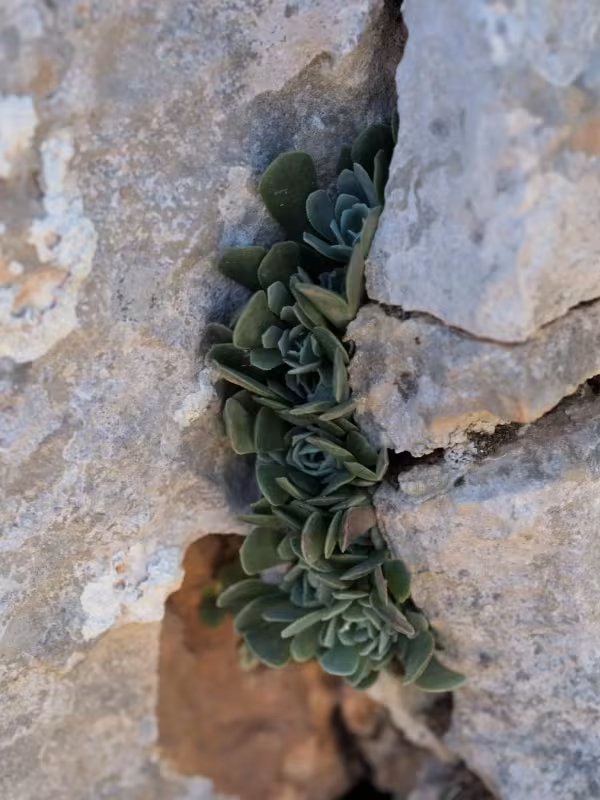
Description
Growing requirements
Rosularia serrata is a member of the Crassulaceae family. This perennial succulent species is native to mountainous regions, typically found thriving in rocky crevices where the soil is nutrient-poor but well-drained.
The cultivation of this plant requires a gritty, highly porous substrate. A typical mix should include coarse sand, perlite, and small gravel to ensure that water drains away from the roots quickly, preventing root rot.
This succulent is light-demanding and requires full sun to maintain its dense, rosette-forming structure. In lower light conditions, the plant tends to lose its characteristic form, becoming elongated and susceptible to breakage.
In terms of climate, it is remarkably drought-tolerant. However, it requires protection from excessive winter moisture, which is often the primary cause of plant death in non-native environments. A dry, cold winter is generally preferred.
Its primary use is in ornamental horticulture. It is widely prized by collectors for rock gardens, trough plantings, and alpine displays where its unique texture and slow growth habit can be highlighted without competition from larger species.
Main diseases and pests
The most significant threat to Rosularia serrata is poor soil aeration and waterlogging. These conditions quickly lead to fungal rot, which can affect the root system and move upward into the succulent leaves.
Pests such as mealybugs can pose a serious threat, hiding between the tightly packed leaves of the rosettes. These insects sap the plant's vitality and secrete honeydew, which may encourage the growth of sooty mold.
Cultural prevention remains the best defense against pests and diseases. Providing excellent airflow around the rosettes and ensuring the substrate dries out completely between watering sessions is essential for long-term health.
When infestation occurs, manual removal of mealybugs with a cotton swab dipped in alcohol is often the first line of defense. For larger scale issues, systemic insecticides applied as a soil drench are effective.
If fungal issues are detected, the immediate removal of affected tissue is required, followed by a dry period and treatment with an appropriate fungicide. Monitoring the plant during the dormant season is crucial to prevent widespread outbreaks.