
Sand stonecrop
Sedum arenarium
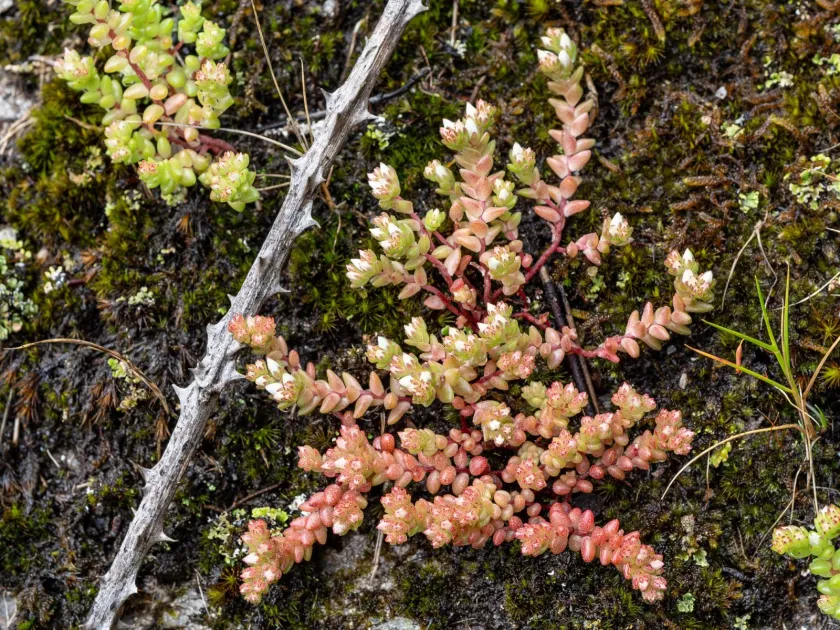
Description
Sowing dates
Sedum arenarium is a spring-growing ephemeral that thrives in light, sandy substrates. Sowing is most effective when performed in late autumn or early spring to utilize natural soil moisture.
The seeds are exceptionally small and must be surface-sown without deep covering, relying on light to trigger the germination process during the cooler spring months.
Optimal temperatures for seed germination range from 12 to 18 degrees Celsius, requiring a consistent, light misting to keep the substrate surface adequately moist.
Once seedlings have established several leaves, spacing should be checked to ensure no overcrowding, which can lead to competition for limited soil nutrients.
Vegetative propagation via stem cuttings is a common agricultural practice for this species, allowing for faster development of uniform cover in large-scale areas.
Growing requirements
As a member of the Crassulaceae family, Sedum arenarium is highly adapted to nutrient-poor, dry, and sandy environments that are unsuitable for traditional crops.
The plant features succulent leaves and stems that function as internal water reservoirs, allowing it to withstand prolonged dry periods and direct sun exposure.
Full sun is a critical requirement for this species, as even partial shade can lead to leggy, weak growth and reduced stress tolerance during summer heatwaves.
Excellent soil drainage is mandatory to prevent root decay, which is the primary cause of plant failure in non-ideal environmental conditions.
The species thrives in neutral to slightly acidic pH ranges and generally does not require intensive fertilization, as excessive nutrients can force growth and weaken the plant structure.
Main diseases and pests
Fungal infections, particularly root rot, represent the most significant threat to Sedum arenarium, especially during humid seasons or in poorly drained sites.
Maintaining air circulation around the plants is essential, as stagnant, humid air encourages the rapid spread of pathogens across dense crop mats.
Mollusks such as slugs and snails are common pests, often grazing on the juicy, succulent leaves, causing structural damage and potential infection entry points.
Aphid infestations may occur in early spring, requiring monitoring to prevent damage to the tender growth tips that emerge during the early vegetative phase.
Integrated pest management, including weeding and monitoring soil moisture, is the most effective approach to maintaining healthy stands without heavy reliance on synthetic inputs.