
Rosularia platyphylla
Rosularia platyphylla
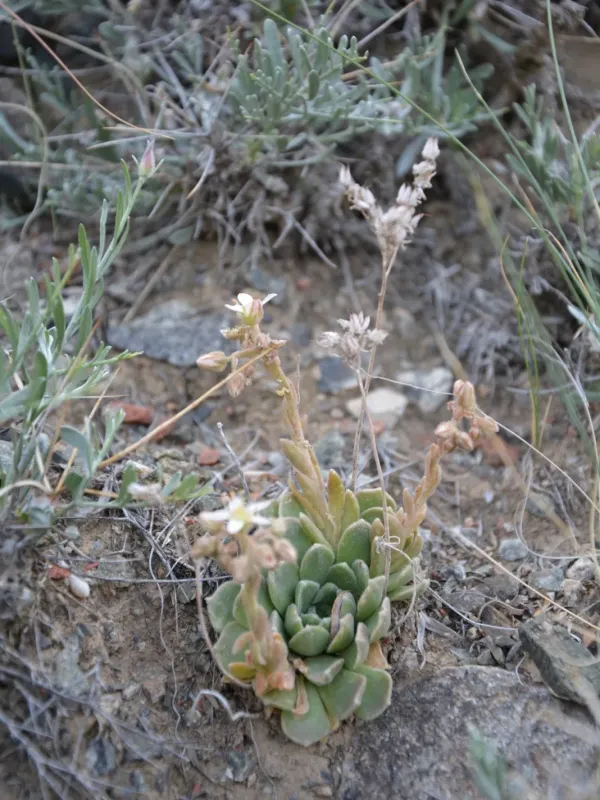
Description
Growing requirements
Rosularia platyphylla is a perennial succulent plant belonging to the Crassulaceae family. It is characterized by its distinct leafy rosettes that store water, allowing the plant to thrive in arid conditions where other crops might struggle to survive.
Native to mountain regions, this crop requires well-drained, porous soil that mimics its natural stony habitat. It thrives in soils with low fertility, making it highly efficient in terms of nutrient uptake, provided that the drainage conditions are strictly maintained to prevent root rot.
Optimal growth conditions involve full sun exposure or partial shade in extremely hot climates. The plant prefers moderate temperatures and requires high air circulation to keep the rosette base dry, which is essential for maintaining the plant's health and vigor throughout the growing season.
Agronomic management focuses on a cycle of watering that allows the substrate to dry out completely between applications. During the dormant season, water intake should be significantly reduced to mirror the natural climatic cycle and prevent the internal tissues from becoming waterlogged and vulnerable.
The primary use of Rosularia platyphylla is in ornamental horticulture and xeriscaping. Due to its drought tolerance, it serves as a sustainable option for landscaping in water-stressed regions, requiring minimal intervention once established in a suitable environment.
Main diseases and pests
The most significant threats to Rosularia platyphylla are fungal pathogens caused by improper watering and lack of ventilation. Root and crown rot are the most common consequences of sustained soil moisture, which often leads to rapid plant death if not addressed early.
Pests such as mealybugs and spider mites are frequent invaders that target the succulent tissues. These pests suck the sap from the plant, causing disfigurement of the rosettes and leaving the plant open to viral or bacterial infections that compromise its structure.
Proactive management of these threats involves keeping the growing area clean and ensuring that no stagnant water remains on the leaves. Using well-draining soil mixes with a high mineral content helps to reduce the survival rate of soil-borne pathogens significantly.
Chemical control is an option for severe infestations using systemic insecticides. However, it is vital to test for sensitivity, as succulent leaves can react poorly to harsh chemicals if the dosage is not carefully controlled or if applied during the hottest part of the day.
Regular inspection of the rosettes is the cornerstone of effective pest control. By identifying signs of infestation or rot early, growers can perform localized removal of affected parts or apply targeted treatments to maintain the health of the overall crop population.