
Rosularia lineata
Rosularia lineata
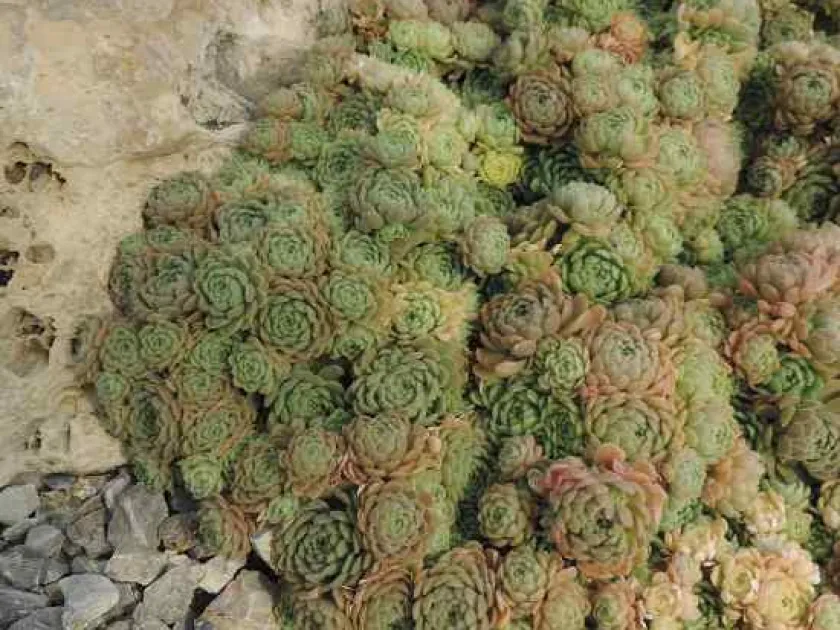
Description
Sowing dates
Rosularia lineata, belonging to the Crassulaceae family, can be propagated through seeds or by separating offset rosettes. The ideal time for sowing is during the early spring to ensure the seedlings have enough time to establish themselves before winter.
The substrate for germination should be highly porous, consisting mainly of coarse sand or specialized grit-based mixes. Seeds are small and should be scattered lightly on the surface without being buried deep in the soil.
Maintaining a consistent humidity level during the germination phase is critical, which is achieved by covering the tray with glass or clear plastic. Proper airflow must be managed to prevent dampening off and fungal growth.
Temperature requirements during the early stages of development are around 20 degrees Celsius. Once the seedlings demonstrate initial growth, they should be gradually exposed to drier conditions to toughen them up.
Transplanting seedlings to individual pots should be done carefully to avoid damaging the root system. Using terracotta pots is highly recommended to improve soil drainage and aeration.
Growing requirements
As an alpine succulent, Rosularia lineata demands excellent drainage. It thrives in rock crevices or containers with highly mineralized, low-nutrient soil. Heavy or moisture-retentive soils are detrimental to the health of this species.
Full sun exposure is vital for the plant to maintain its compact, dense rosette form. In insufficient light, the plant will etiolate, losing its characteristic aesthetic and becoming more prone to pests and rot.
Watering must be approached with caution; it should be infrequent and allowed to dry out completely between waterings. Water stagnation around the roots is the primary cause of failure in cultivating this species.
The plant is adapted to temperature fluctuations but requires protection from excessive winter moisture. If kept in areas with high precipitation during the dormant season, the rosettes may succumb to fungal decay.
Maintenance is low, as the plant does not require high levels of fertilization. An occasional application of a low-nitrogen fertilizer during the active growing season is sufficient to support its development.
Main diseases and pests
Root and crown rot are the most significant threats to Rosularia lineata, primarily driven by excessive watering or poor drainage. Once decay begins, it can spread rapidly through the plant's succulent tissues.
Pests such as mealybugs and spider mites are common in indoor or greenhouse environments. These pests thrive in dry air and can significantly stress the plant by feeding on its sap, leading to stunted growth.
Preventive care involves strict monitoring of soil moisture and ensuring good air circulation. By keeping the plant in a well-ventilated area, the risk of fungal proliferation is significantly reduced.
If an infestation occurs, targeted use of insecticidal soaps or systemic treatments is effective. Care should be taken to test any treatment on a small portion of the plant before applying it widely.
Removing dead or decaying leaves from the base of the rosettes is crucial to prevent the spread of pathogens. Keeping the planting area clean and free of organic debris helps maintain overall plant health.