
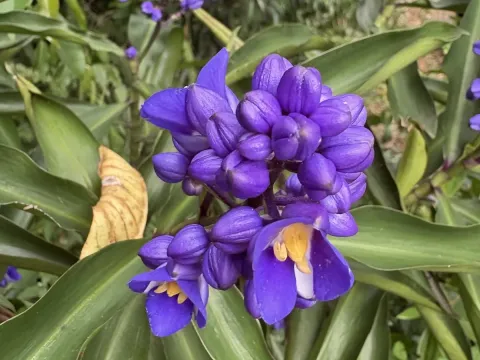
Dichorisandra
Dichorisandra J.C. Mikan
Dichorisandra is a genus of perennial herbaceous plants within the Commelinaceae family. Native to the tropical regions of Central and South America, these plants are highly valued in ornamental horticulture for their lush foliage and striking inflorescences.
What the section contains
Dichorisandra
The climate requirements for Dichorisandra include maintaining a temperature range between 20°C and 25°C throughout the year. As a tropical crop, it cannot withstand freezing temperatures and is typically cultivated in greenhouses, conservatories, or as a high-end indoor plant.
Soil conditions are critical for healthy growth; the plant requires a loose, well-draining, and nutrient-rich potting mix. A typical professional substrate includes a blend of peat moss, pine bark, and perlite to ensure optimal moisture retention and root aeration.
High relative humidity is essential for the vitality of the plant, ideally maintained at 60% or higher. Providing consistent humidity through misting systems or pebble trays helps replicate the humid environment of its native rainforest habitat.
The plant thrives under bright, filtered light conditions. Exposure to direct sunlight can severely scorch the leaves, while insufficient light leads to etiolation, loss of leaf variegation, and a weak, spindly appearance of the stems.
The primary pests affecting Dichorisandra in controlled environments are spider mites, mealybugs, and scale insects. These pests thrive in low-humidity conditions, making regular climate monitoring the most effective primary defense strategy for growers.
Improper watering practices frequently lead to fungal infections, including root rot and leaf spot diseases. Preventive measures involve allowing the top layer of soil to dry slightly before the next irrigation and ensuring good air circulation around the plants.