
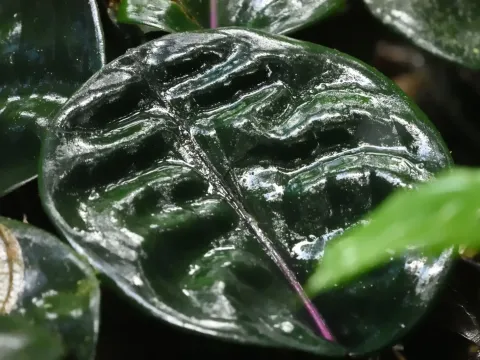
Geogenanthus
Geogenanthus
Geogenanthus is a genus of perennial herbaceous plants belonging to the Commelinaceae family. Native to the tropical rainforests of Peru and Brazil, these plants are adapted to low-light conditions on the forest floor, characterized by high humidity and stable tropical temperatures.
What the section contains

Geogenanthus
For successful cultivation, temperatures should ideally be maintained between 18 and 24 degrees Celsius. It is essential to avoid cold drafts and sudden temperature fluctuations, which can cause significant stress to the foliage and affect the overall health of the plant.
The substrate must be well-draining, loose, and rich in organic matter. A mixture consisting of high-quality peat, leaf mold, and perlite provides the necessary structure, allowing roots to breathe while maintaining consistent levels of moisture.
High relative humidity is a prerequisite for keeping the leaves of Geogenanthus vibrant and turgid. Utilizing humidifiers or humidity trays is recommended, especially in interior environments where central heating can drastically reduce atmospheric moisture levels.
Geogenanthus thrives in bright, indirect light. Direct exposure to sunlight should be avoided at all costs, as the delicate leaf tissues are highly susceptible to scorching, which ruins the plant's ornamental appeal and weakens its photosynthesis efficiency.
The most common pests affecting this culture are spider mites and mealybugs. These pests thrive in dry environments and tend to congregate on the undersides of leaves or in the axils of stems, draining sap and causing visible damage.
Root rot represents the primary pathological threat, typically induced by overwatering or poor drainage. Excess water at the root zone deprives the plant of oxygen and creates a breeding ground for fungal pathogens that decay the root system.
Integrated pest management should start with routine inspections. Keeping the leaves clean by gently wiping them with a damp cloth can remove dust and early stages of pest infestations, significantly reducing the likelihood of severe outbreaks.
Chemical control, if necessary, should involve specific acaricides for spider mites or systemic insecticides for mealybugs, always ensuring the product is suitable for indoor ornamental plant usage.
Maintaining a balanced irrigation cycle is the most effective way to prevent diseases. Always allow the top layer of the soil to dry slightly before applying water again, ensuring that the roots remain healthy and free from prolonged moisture saturation.