
Hairy Tradescantia
Tradescantia hirta
Description
Growing requirements
Hairy Tradescantia (Tradescantia hirta) is a perennial herbaceous plant belonging to the Commelinaceae family. Native to the tropical regions of Central and South America, it has adapted to life in the understory of dense forests, thriving in humid environments.
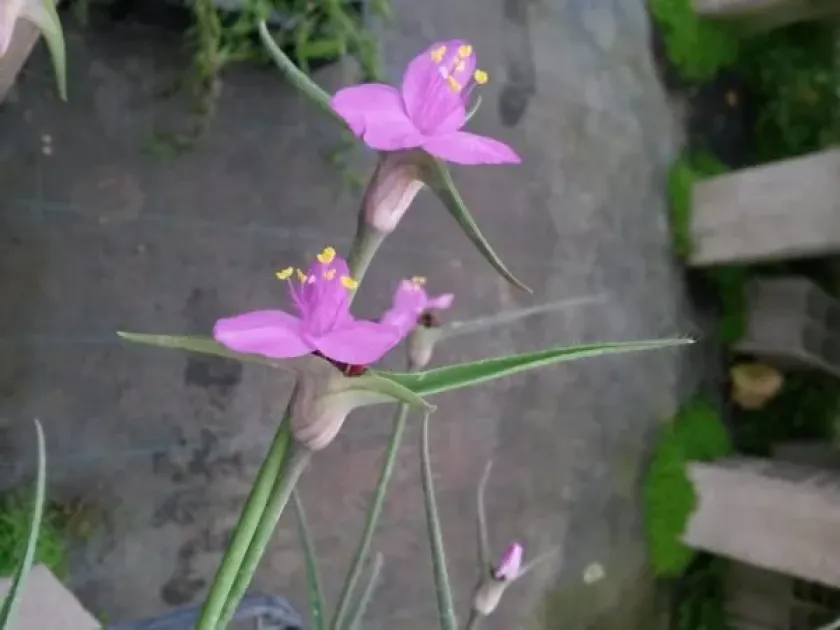
The plant is distinguished by its characteristic hirsute, or hairy, stems and leaves. This physical adaptation serves as a defense mechanism, helping to retain moisture and providing a buffer against fluctuations in humidity within its natural habitat.
Cultivation of this species requires a location with bright, indirect lighting. Direct sunlight is generally harmful as it causes bleaching and desiccation of the delicate foliage, whereas low-light conditions often lead to "leggy" growth and loss of the plant's structural integrity.
Soil requirements focus on high organic matter content combined with excellent drainage properties. A peat-based mix amended with perlite or coarse sand is typically ideal to prevent root rot, which is the most significant physiological risk for this crop.
In ornamental horticulture, this species is highly valued for its aesthetic appeal and ease of propagation. It is frequently employed in greenhouse cultivation, indoor landscaping, and as a ground-covering plant in warm, protected garden environments.
Main diseases and pests
The primary pests affecting Tradescantia hirta include mealybugs and spider mites, which often conceal themselves within the dense hairs of the stems. Early detection is crucial, as the heavy pubescence makes the application of contact insecticides challenging.
Fungal pathogens represent the most significant threat to plant health, particularly in stagnant, humid environments. Root rot and stem rot are common occurrences if watering practices result in waterlogged soil, emphasizing the need for a strict irrigation schedule based on soil moisture monitoring.