
Cyanotis villosa
Cyanotis villosa
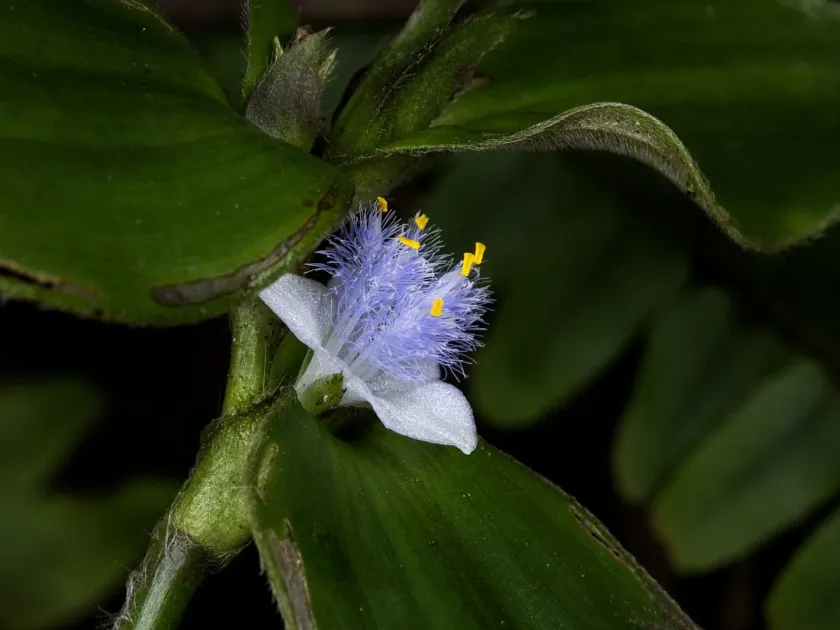
Description
Sowing dates
Cyanotis villosa is typically propagated through seeds or stem cuttings, which are efficient methods for scaling production in controlled environments.
The sowing season usually begins in early spring to utilize the increasing day length, which is crucial for early-stage seedling development.
Optimal germination requires a consistent temperature range of 22–25 degrees Celsius and a well-aerated, moist germination medium.
When using cuttings, segments of the stem should be planted in sterile soil to minimize the risk of soil-borne pathogens during the rooting phase.
Maintaining high humidity around the propagation area significantly improves the success rate of new plant establishment during the initial weeks.
Growing requirements
As a member of the Commelinaceae family, this species thrives in tropical climates, naturally occurring in regions with distinct seasonal growth patterns.
The crop requires bright, indirect light to maintain its characteristic foliage density and to prevent etiolation of the stems.
Soil composition must be highly porous with an excellent drainage system, as the roots are sensitive to waterlogging, which quickly leads to decay.
Irrigation management is essential, ensuring the substrate dries slightly between waterings to encourage deep root penetration and plant vigor.
Moderate fertilization with a balanced NPK ratio during the active growth period supports the production of biomass and improves overall plant health.
Main diseases and pests
Root and stem rots are the most prevalent threats to this crop, primarily caused by poor drainage and excessive irrigation practices in greenhouse conditions.
Common pests such as spider mites and mealybugs frequently infest plants, especially in environments where humidity levels are not properly regulated.
Fungal leaf spots can compromise the foliage quality, necessitating strict sanitation protocols and the application of preventive fungicides if needed.
Environmental stress, such as sudden temperature drops or lack of light, weakens the plants, making them more susceptible to opportunistic diseases.
- Monitor humidity levels.
- Maintain proper plant spacing.
- Implement preventative pest management.