
Cyanotis papilionacea
Cyanotis papilionacea
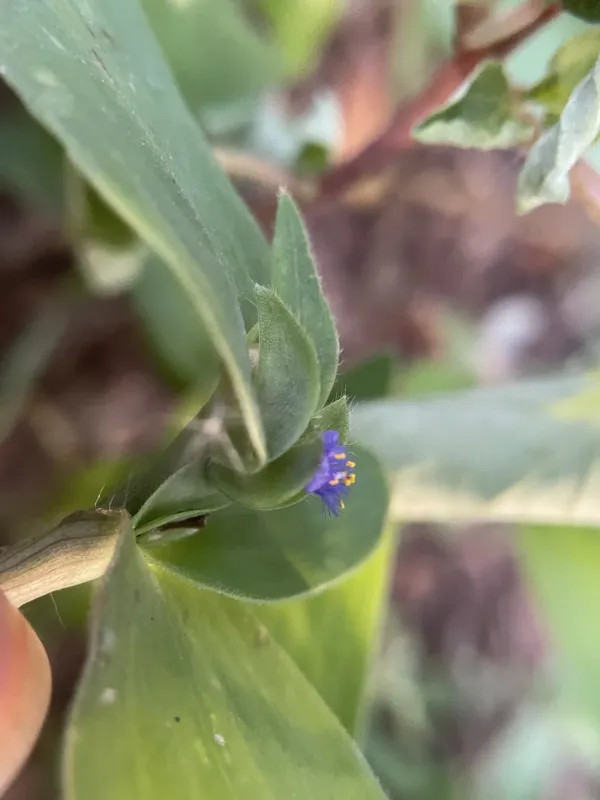
Description
Sowing dates
Cyanotis papilionacea is a distinctive member of the Commelinaceae family. Originating from the rocky outcrops and plateau regions of India, this plant is well-adapted to specific tropical ecological niches.
Sowing typically coincides with the onset of the monsoon or the rainy season. Seeds require consistent moisture and warm temperatures to germinate, ideally ranging between 22 and 25 degrees Celsius for optimal emergence.
The agronomic practice for sowing involves shallow placement of seeds, usually no deeper than 1–2 centimeters, into well-prepared seedbeds. Dense sowing can lead to competition, so appropriate spacing is essential for plant development.
As an ephemeral plant, Cyanotis papilionacea completes its vegetative cycle rapidly. Timing the sowing ensures that the plant benefits from the peak seasonal rainfall, which is vital for building up vegetative mass.
Post-emergence management includes thinning the rows to ensure adequate airflow and light penetration. This spacing prevents overcrowding and encourages the development of a robust root system capable of nutrient storage.
Growing requirements
The plant thrives in well-drained, sandy, or rocky soils. High soil permeability is a prerequisite, as the species is highly sensitive to waterlogging, which can cause rapid decay of the succulent root structure.
Climate requirements include high solar radiation and stable tropical temperatures. Cyanotis papilionacea performs best in open, sunny environments where it receives unobstructed light throughout the day to support photosynthesis.
Moisture management is a delicate balance. While the plant can withstand short periods of drought due to its adaptive biological features, consistent but moderate watering is required during the active growth phase.
Soil aeration is critical for long-term survival and productivity. Regular cultivation between rows helps break surface crusts, allowing oxygen to reach the roots and improving the overall health of the crop.
Fertilization should be handled with care to avoid excessive vegetative growth at the expense of reproductive stability. Balanced organic fertilizers are generally preferred to sustain plant vigor without altering the soil structure negatively.
Main diseases and pests
The primary threats include fungal diseases caused by moisture-related issues, particularly root rot. Maintaining a dry soil surface and excellent drainage is the most effective preventative measure against these pathogens.
Insect pests such as thrips or spider mites can infest the foliage, particularly under hot and dry conditions. Early detection is key, and integrated pest management (IPM) should be prioritized over chemical interventions.
Weed control is essential, especially in the early stages of establishment, as weed competition for nutrients and space can drastically reduce yields. Manual weeding or light mechanical cultivation is recommended.
Crop rotation plays a significant role in managing the soil-borne pathogen load. Avoiding consecutive planting of Commelinaceae species on the same field helps maintain soil health and reduces the risk of recurrent disease outbreaks.
- Ensuring optimal soil drainage.
- Monitoring for common tropical pests.
- Maintaining proper inter-row weed management.