
Cyanotis vaga
Cyanotis vaga
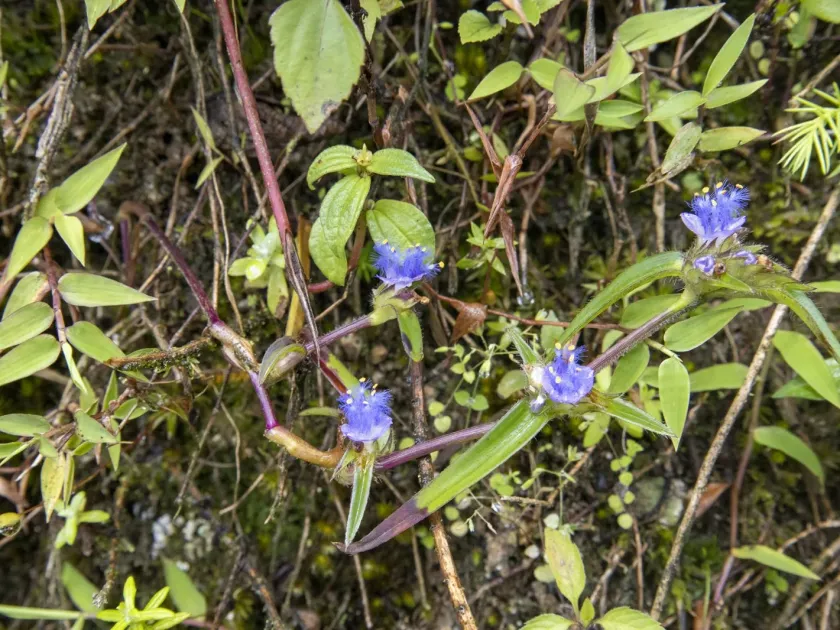
Description
Sowing dates
Cyanotis vaga is a herbaceous perennial member of the Commelinaceae family, requiring specific conditions for successful seed germination and initial growth stages.
Seeds are typically sown in early spring in a well-draining, lightweight substrate, ensuring they are only lightly covered to allow sufficient light penetration.
Maintaining a constant soil temperature of approximately 20 degrees Celsius is critical for high germination rates and the subsequent development of robust seedlings.
Vegetative propagation via stem cuttings is a standard industrial method, which ensures genetic uniformity and faster establishment compared to seed-based methods.
Proper spacing is required during the transplanting phase to ensure adequate air circulation and to minimize the risk of competition between adjacent plants.
Growing requirements
This crop thrives in fertile, well-draining soils with a neutral pH, and it is highly sensitive to waterlogging, which can rapidly damage the delicate root structure.
Environmental conditions must include bright, indirect sunlight, as intense exposure can cause leaf dehydration and stress during the peak vegetative period.
Regular irrigation schedules are essential, focusing on maintaining moderate soil moisture without creating the excessive humidity that encourages fungal proliferation.
Balanced fertilization programs, including nitrogen for foliage growth and trace minerals for metabolic health, are necessary for achieving optimal harvest yields.
Climate control is particularly important in greenhouse settings, where ventilation must be managed to maintain the ideal humidity levels for continuous growth.
Main diseases and pests
Spider mites are the most common pest observed in crops of Cyanotis vaga, especially in environments where humidity levels are chronically low or poorly monitored.
Root rot caused by fungal pathogens such as Pythium poses a significant threat, particularly in poorly drained or overly compacted potting media.
Powdery mildew is a common foliage issue that appears when airflow is stagnant, necessitating strategic spacing and improved ventilation practices.
Mealybugs can often hide in the leaf axils, making early detection and localized treatment with biological control agents or soft pesticides essential for protection.
Integrated Pest Management (IPM) practices, including the removal of infected debris, are recommended to maintain plant health throughout the entire production cycle.