
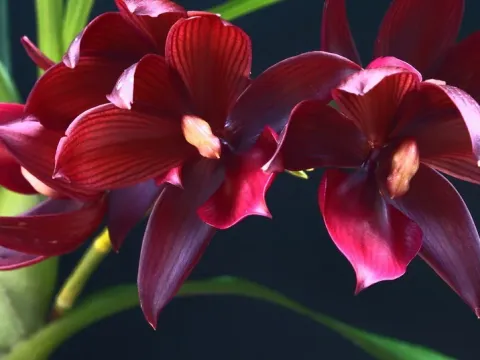
Cycnodes
x Cycnodes hort.
Cycnodes (x Cycnodes) is a man-made hybrid orchid resulting from the crossbreeding of the genera Cycnoches and Mormodes. Belonging to the Orchidaceae family, it is known for its fast growth rate during the season and spectacular, often fragrant flowers.
What the section contains
Cycnodes
Cultivation requires bright, indirect light to stimulate healthy growth and proper maturation of the pseudobulbs. In home environments, providing adequate light intensity is the primary factor that determines whether the plant will bloom during its next cycle.
The substrate must be well-draining, consisting primarily of medium-grade pine bark with the addition of perlite or charcoal. It is essential to ensure that the roots receive plenty of oxygen, which prevents the buildup of harmful anaerobic bacteria.
Watering management is the most distinct part of Cycnodes agrotechnics. During the growing period, the plant requires frequent watering and regular fertilization to support the development of large, fleshy pseudobulbs that store water and nutrients for the future.
Once the leaves begin to yellow and drop, the plant enters a period of dormancy. During this phase, water should be strictly withheld or kept to a bare minimum. Keeping the plant dry during winter is essential for triggering the development of new flower spikes.
Root rot is the most common threat to Cycnodes orchids, usually caused by overwatering in a cold or poorly ventilated environment. Once the root system is compromised, the plant struggles to recover and becomes susceptible to various pathogens.
Spider mites are notorious pests for this genus, thriving in low-humidity conditions. They can quickly cause significant damage to the foliage, resulting in stunted growth and a loss of vigor before the plant enters its dormancy period.
Scale insects and mealybugs can lodge themselves under the papery dry sheaths of the pseudobulbs. Routine inspections are necessary to identify these infestations early, as they can weaken the plant's immune system over time.
Bacterial spot disease can occur if moisture remains trapped in the center of the new growth. To prevent this, ensure that leaves and growth points stay dry at night and provide active air movement in the growing area.
Viral infections, such as Cymbidium mosaic virus, pose a long-term risk. There is no cure for such infections, so preventing the spread through sterilized cutting tools and pest control is the only effective management strategy for any serious orchid collection.