
Cyanotis tuberosa
Cyanotis tuberosa
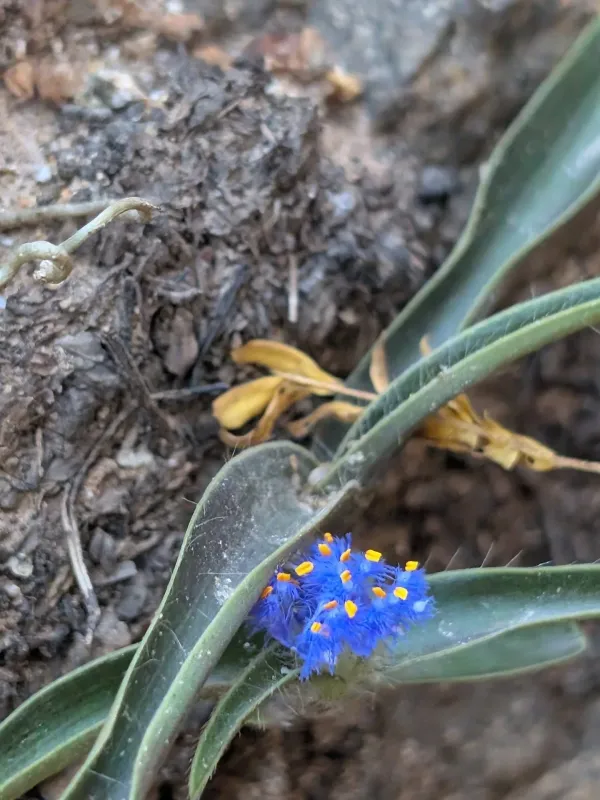
Description
Growing requirements
Cyanotis tuberosa is a perennial herbaceous plant belonging to the Commelinaceae family. Native to tropical regions of India, this species is naturally adapted to rocky slopes and open habitats with significant exposure to sunlight.
The primary botanical characteristic of this crop is the presence of thickened, tuberous roots designed to store water and essential nutrients. This biological adaptation allows the plant to thrive in regions with distinct dry seasons.
Successful cultivation requires well-drained, porous soils with a neutral to slightly acidic pH. Waterlogged conditions are detrimental to the plant and must be strictly avoided during all stages of development to prevent root rot.
Cyanotis tuberosa is a light-demanding crop that requires high levels of bright, indirect sunlight. In non-tropical climates, the plant must be cultivated in greenhouses or controlled environments, as it is highly sensitive to cold and frost.
The optimal temperature range for active growth is between 20°C and 30°C. Maintaining consistent environmental conditions is essential for the healthy development of the tubers and the accumulation of beneficial phytochemicals.
Yield
The economic value of Cyanotis tuberosa lies in its role as a botanical source for various pharmaceutical and nutraceutical compounds. It is particularly valued for its content of phytoecdysteroids, which have significant physiological potential.
Harvesting is typically scheduled after the plant reaches physiological maturity, when the concentration of active compounds in the tubers is at its peak. The quality of the final product depends heavily on post-harvest handling and drying techniques.
Yield metrics for commercial production are influenced by planting density and nutrient management. When grown under optimized agronomic conditions, the crop can provide a consistent and high-quality yield of raw medicinal material.
Current industrial applications include the production of extracts for use in dietary supplements and skincare formulations. The focus on natural wellness products continues to drive interest in the sustainable cultivation of this species.
Ongoing research into plant breeding aims to standardize the concentration of active ingredients in commercial lines. This will likely enhance the marketability and profitability of large-scale Cyanotis tuberosa cultivation.
Main diseases and pests
Fungal diseases related to excessive humidity are the most significant threat to Cyanotis tuberosa plantations. Proper drainage and soil aeration are crucial defense mechanisms against these pathogens.
In greenhouse settings, common pests such as spider mites and mealybugs can infest the crops, leading to decreased yields. Integrated pest management strategies are recommended to keep populations under control.
Nutrient deficiencies, particularly involving micronutrients, can lead to chlorosis and stunted development. Regular soil and tissue testing is advised to ensure that the plant has access to a balanced nutrient profile.
Weed management is critical during the establishment phase, as young plants are not aggressive competitors. Utilizing organic mulch or fabric barriers can effectively mitigate weed pressure without the use of excessive herbicides.
Preventative measures, including strict hygiene protocols in the greenhouse, are essential to minimize disease outbreaks. When intervention is necessary, targeted application of environmentally friendly biocides is preferred over broad-spectrum chemicals.