
Erect dayflower
Commelina erecta
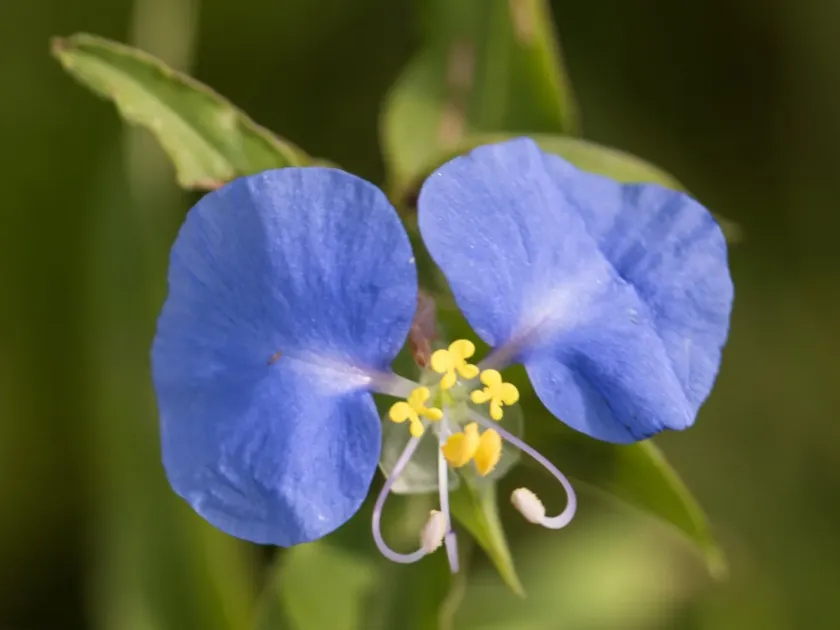
Description
Growing requirements
Erect dayflower (Commelina erecta) is a perennial herbaceous plant belonging to the Commelinaceae family. It is known for its upright or ascending stems that can grow quite tall depending on the local environmental conditions and available resources.
The plant is native to a broad range of tropical and subtropical regions across the Americas and Africa. It has successfully established itself in various habitats, ranging from coastal sands to rich, moist forests and disturbed agricultural landscapes.
Regarding soil requirements, Commelina erecta prefers well-drained, fertile soil types. It is particularly responsive to organic matter content, which supports the development of its distinctive fleshy, tuberous-like root structures utilized for water storage.
Botanically, the species is identified by its alternate leaves and blue flowers, which bloom for a single day. The specialized structure of the spathe-like bract surrounding the flowers is a key identification feature for agronomists in the field.
In terms of economic utility, while it is often categorized as a weed that competes with crops for space and nutrients, it provides nectar for various pollinators. In some traditions, specific parts of the plant have been used for their pharmacological properties.
Main diseases and pests
The primary threats to Commelina erecta are fungal infections such as root rot, which typically occur in soils with poor drainage. Sustained high humidity and low temperatures create ideal conditions for soil-borne pathogens to thrive.
Pests such as aphids and spider mites are known to infest the foliage, particularly during hot, dry spells. These pests damage the leaf tissue, leading to chlorosis, stunted growth, and a significant reduction in the plant's overall reproductive capability.
Caterpillar infestations represent another significant challenge, as they consume the leaf blades and reduce the overall photosynthetic capacity of the plant. This damage is most severe during the peak of the growing season when the plant is most active.
Integrated pest management strategies are recommended to keep the plant population in check within agricultural settings. These methods include mechanical cultivation, the use of targeted herbicides, and managing irrigation to prevent excessive soil moisture.
Maintaining crop health requires regular scouting for signs of discoloration or wilting. Early detection of pest or disease outbreaks is essential to prevent rapid spread across the field and to preserve the productivity of the associated crops.