
Wigginsia erinacea
Wigginsia erinacea
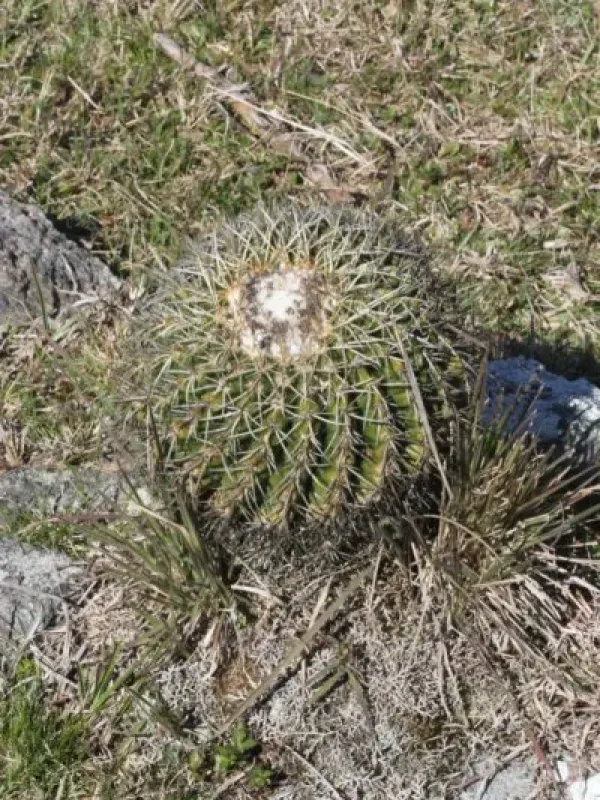
Description
Growing requirements
Wigginsia erinacea belongs to the Cactaceae family and is a distinctive succulent characterized by its globular body and well-defined ribs. It is highly valued among collectors for its symmetrical shape and vibrant flowers.
Native to South America, specifically regions in Uruguay, Brazil, and Argentina, the plant thrives in rocky outcrops and open, sun-exposed landscapes. Its evolutionary adaptations allow it to survive periods of intense drought.
The plant requires bright, direct, or filtered light to thrive. In indoor conditions, it should be placed in a sunny location and benefit from a temperature drop during the winter months to enter its natural dormancy phase.
A well-draining potting medium is essential for success. A mixture of commercial cactus soil with additional coarse grit, perlite, or pumice is recommended to prevent water retention at the roots.
During the growing season, water the plant sparingly only when the soil is completely dry. During winter, moisture should be kept to an absolute minimum to avoid rot and support the plant's health.
Main diseases and pests
Root rot is the most common and dangerous condition affecting Wigginsia erinacea, usually caused by overwatering or poor drainage systems in the container.
Pests like mealybugs can hide in the crevices of the ribs, where they are difficult to spot until the infestation becomes severe and affects the plant's growth.
Spider mites are another typical threat in low-humidity environments, leading to unsightly scars and the gradual loss of the plant's succulent tissue.
Using systemic insecticides or neem oil solutions can help manage minor pest outbreaks before they lead to long-term structural damage to the cactus.
Regular monitoring of the plant base, careful watering practices, and providing proper air circulation are the best methods to ensure a healthy life cycle for this species.