
Praecereus euchlorus
Praecereus euchlorus
Description
Growing requirements
Praecereus euchlorus is a perennial succulent plant belonging to the Cactaceae family. In its natural habitat, it develops a shrubby or tree-like growth habit, characterized by robust stems that are well-adapted for water storage in arid environments.
This species is native to regions in South America, specifically Bolivia, where it thrives in dry tropical and subtropical forests. Its distribution is limited to areas with specific drainage patterns and seasonal climate cycles.
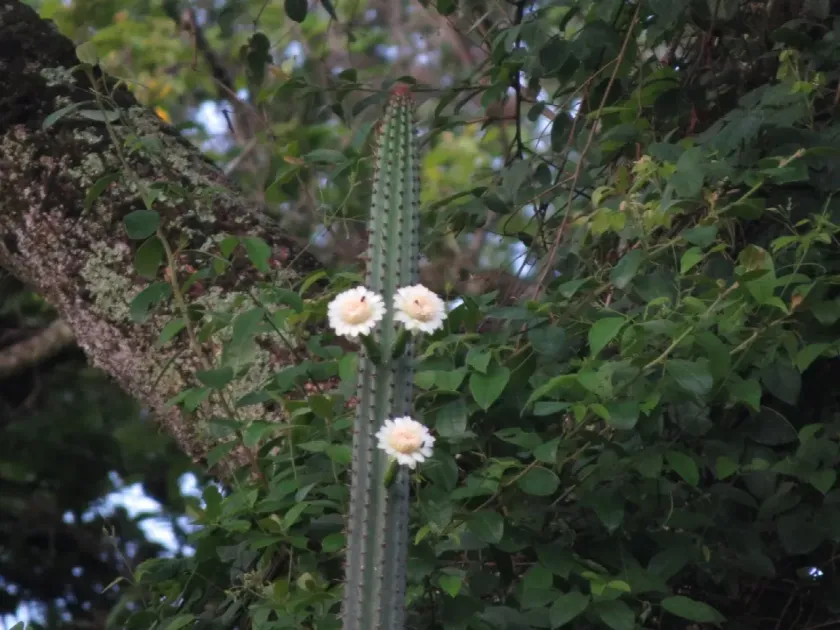
Botanically, Praecereus euchlorus is distinguished by its vertically ribbed stems covered in specialized spines. The flowering process is a highlight of the plant's life cycle, producing nocturnal blooms designed to attract specific moth species for pollination.
Cultivation success depends on the provision of highly permeable, gritty, and mineral-rich soils. The substrate must ensure rapid water drainage to prevent the stagnation of moisture, which is the primary cause of physiological stress for this species.
The plant requires high levels of solar radiation and warm temperatures during the growing phase. An essential part of its management is providing a distinct dormant period during winter, during which the plants are kept cooler and significantly drier.
Main diseases and pests
The primary threats to Praecereus euchlorus are fungal pathogens triggered by poor air circulation or excessive soil moisture. Root rot is the most common and devastating disease that can rapidly compromise the integrity of the vascular system.
Common pests include spider mites, which puncture the stem's epidermis to feed on plant sap, leading to aesthetic damage and weakened defense mechanisms. Mealybugs also pose a significant threat in greenhouse environments with low ventilation.
Effective management includes maintaining strict sanitation protocols and using sterile soil media for planting. Regular inspections of the stem surface and base are crucial for identifying signs of infestation or infection early on.
Chemical control involving systemic insecticides and broad-spectrum fungicides may be necessary if infestations exceed manageable levels. However, caution should be exercised regarding the concentration of these chemicals to avoid plant toxicity.
Environmental control, specifically managing humidity levels, is the most effective preventative measure. Ensuring a rapid dry-down period after irrigation significantly reduces the risk of most opportunistic diseases.