
Praecereus saxicola
Praecereus saxicola
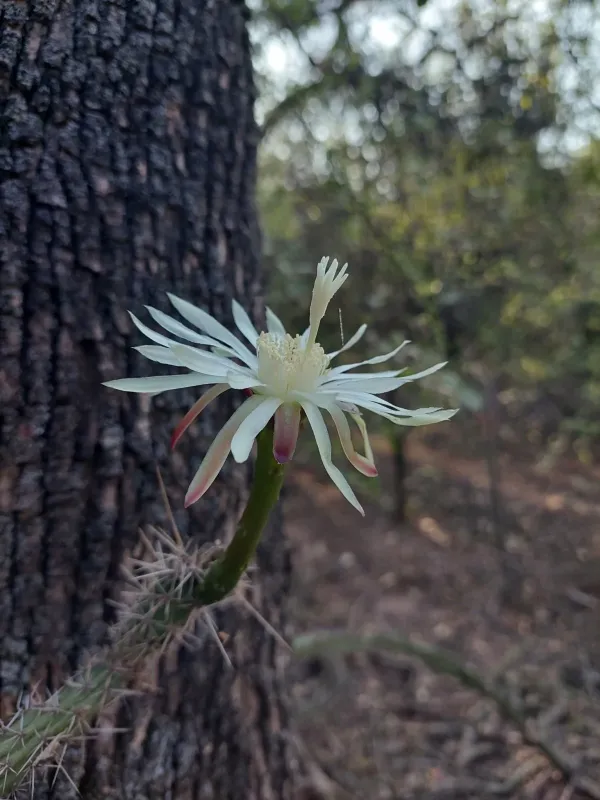
Description
Growing requirements
Praecereus saxicola is a distinctive member of the Cactaceae family, known for its structural hardiness and adaptation to arid environments. Originally native to rocky, mountainous regions of South America, this species has evolved to thrive in nutrient-poor, mineral-rich substrates.
In terms of soil requirements, this cactus demands excellent drainage. A substrate consisting of coarse sand, crushed volcanic rock, and minimal organic matter is ideal to prevent moisture retention around the root system, which is vital for long-term plant health.
The species requires high-intensity sunlight to maintain its natural form and density. In an indoor setting, placing the plant in a south-facing location or providing supplementary full-spectrum lighting is necessary to ensure consistent growth throughout the season.
Temperature management should mirror native conditions, with warm periods for growth ranging from 22°C to 28°C and a cooling-off period during winter to encourage dormancy. Maintaining proper thermal regulation is essential for preventing structural weaknesses.
Watering should be strictly controlled, following a "soak and dry" method. It is crucial to allow the substrate to dry out completely between waterings to avoid the development of anaerobic conditions that negatively impact root respiration.
Main diseases and pests
Common pests include spider mites, which thrive in low-humidity environments and can cause visible scarring on the cactus epidermis.
Mealybugs are another prevalent concern, as they hide within the crevices and spines, feeding on the plant's sap and weakening its structural integrity.
Fungal pathogens represent the most significant threat, often triggered by excessive moisture or poor ventilation, leading to stem rot and tissue collapse.
Root rot is frequently observed in improperly drained containers, necessitating immediate repotting and fungicide treatment to save the specimen.
Integrated pest management, including regular inspection and the use of targeted systemic treatments, is recommended to ensure the longevity of the plant.