
Micranthocereus auri-azureus
Micranthocereus auri-azureus
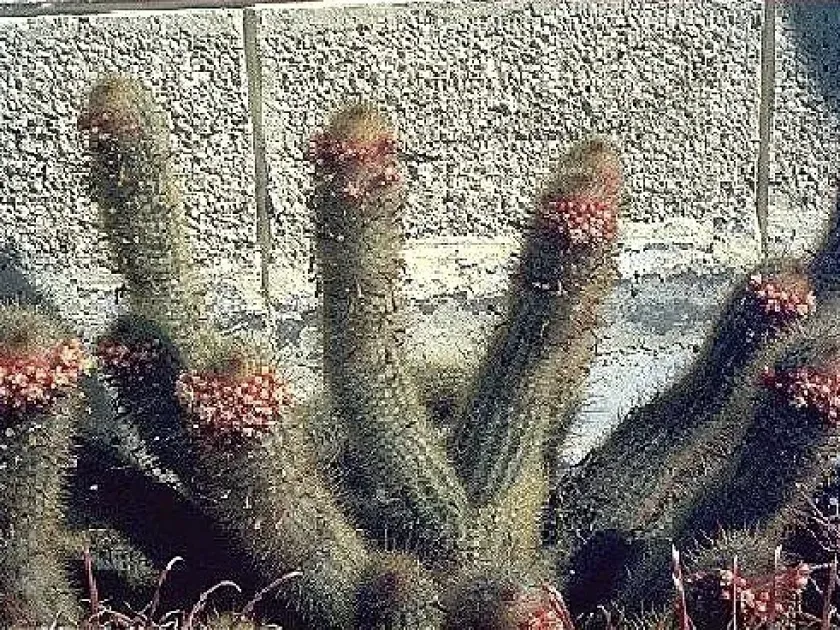
Description
Growing requirements
Micranthocereus auri-azureus is a distinctive species within the Cactaceae family, native to the rugged landscapes of Bahia and Minas Gerais, Brazil. This species is highly regarded among collectors for its striking blue-hued columnar stem and vibrant gold cephalium.
Cultivation requires replicating the harsh, nutrient-poor conditions of its natural limestone habitat. The plant demands high levels of sunlight to maintain its characteristic wax coating, which gives it that signature azure appearance.
For optimal growth, the planting medium must be highly mineral-based. A mixture of pumice, coarse sand, and limestone grit is ideal, as it ensures rapid drainage and prevents the accumulation of water around the root neck.
Temperature management is critical: the cactus thrives in warm conditions during the growing season, but requires a cool, dry rest period during the winter months, with temperatures kept between 12 and 15 degrees Celsius.
Watering should be approached with extreme caution. During the growing season, water only when the substrate has completely dried out, and ensure that no water pools on the stem or within the woolly cephalium structure.
Main diseases and pests
The most significant threat to Micranthocereus auri-azureus is root rot caused by improper watering and poor substrate drainage. Once rot sets in, the plant is extremely difficult to save due to its slow metabolic rate.
Mealybugs are the primary pest concern for this species. These insects often conceal themselves deep within the areoles or under the dense hair of the cephalium, making manual removal and localized treatment necessary.
Spider mites can also cause significant aesthetic damage, especially in environments with poor air circulation. These pests create microscopic wounds that scar the blue epidermis, permanently marring the cactus's appearance.
Preventative measures include regular inspection of the growth point and the base of the stem. Maintaining good airflow is essential to discourage the development of fungal infections and mite colonies.
When applying fertilizers, use only low-nitrogen products specifically formulated for cacti. Excessive fertilization can lead to weak, unnatural growth, making the plant more susceptible to both pests and physiological stress.