
Micranthocereus purpureus
Micranthocereus purpureus
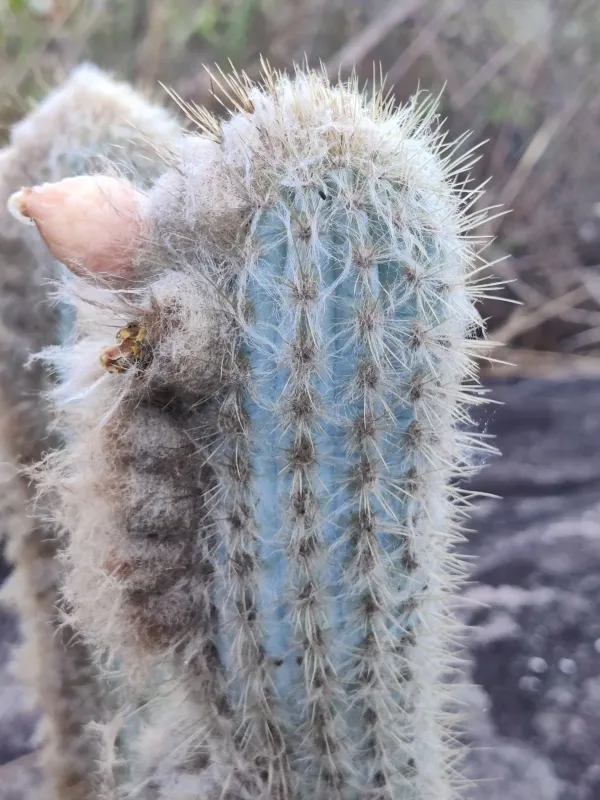
Description
Growing requirements
Micranthocereus purpureus is a rare succulent species belonging to the Cactaceae family, native to the state of Bahia, Brazil. This plant is highly prized for its unique column-like growth habit and the development of a cephalium, a specialized structure where flowers emerge.
Cultivating this species requires strict adherence to specific environmental conditions. It thrives in well-draining, mineral-based soils, often utilizing a mix of pumice, coarse sand, and perlite to prevent root rot. Proper aeration of the substrate is essential for the healthy development of the root system.
The plant demands high levels of sunlight, which is necessary to maintain its compact shape and intense coloration. In greenhouse settings, temperature management is key, with an ideal range of 25°C to 35°C during the day and a cooler period during the night to mimic natural habitat fluctuations.
Agriculture of this plant is primarily focused on botanical research and specialized ornamental collections. It is not a commercial crop for mass production, but rather a collector's item that requires expertise in cactus husbandry to maintain its long-term health and vitality.
Propagation is most commonly achieved through seeds. Because of the slow growth rate, seedlings require careful monitoring of humidity levels in the first year to ensure they do not desiccate while remaining free of pathogenic fungi during their delicate early development stage.
Main diseases and pests
The most significant threat to Micranthocereus purpureus is root rot, typically caused by waterlogged soil and inadequate drainage. Fungal pathogens proliferate quickly in humid conditions, especially when the plant is kept in cool, damp environments.
Pest infestations, particularly by mealybugs, represent a major concern. These insects often cluster in the cephalium or deep between the ribs, making physical removal difficult and necessitating the use of systemic insecticides for effective control.
Red spider mites pose a constant threat to the cactus epidermis, especially during hot and dry spells. These mites suck the plant's sap, leading to aesthetic damage and weakening the plant's overall resistance to secondary bacterial infections.
Preventative care is essential and involves keeping the plants in a clean, ventilated environment. Regular inspections of the plant's base and the areas near the cephalium allow for the early detection and management of pest populations before they reach critical levels.
In case of severe infestation, growers should apply targeted acaricides or insecticides. It is vital to avoid spraying during peak sunlight hours to prevent phytotoxicity, ensuring that the plant recovers in a shaded, well-ventilated location after treatment.