
Micranthocereus polyanthus
Micranthocereus polyanthus
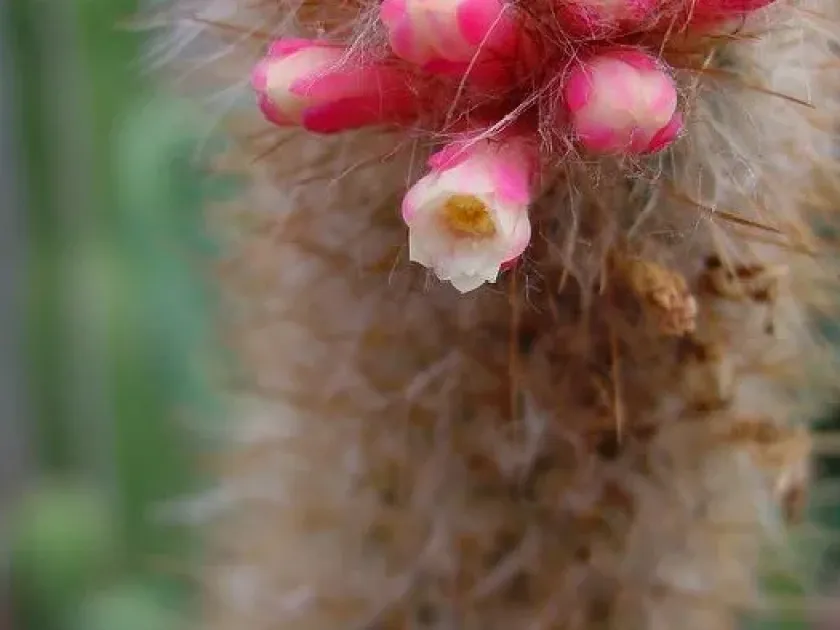
Description
Growing requirements
Micranthocereus polyanthus is a remarkable species within the Cactaceae family, native to the arid rocky terrains of Brazil. In terms of horticultural use, it is a highly specialized ornamental plant that requires specific environmental conditions to thrive in cultivation.
This species demands high light intensity, ideally mimicking its natural habitat. Full sun exposure or powerful LED grow lights are essential to maintain a compact, healthy stem structure and to stimulate the characteristic blooming process of this columnar cactus.
The substrate must be extremely porous to prevent root rot, which is the primary cause of mortality in this genus. A professional mix should include a high percentage of non-organic components such as pumice, perlite, and coarse sand, ensuring rapid drainage after irrigation.
Temperature management is vital. During the growing season, temperatures between 22°C and 30°C are preferred. However, during the dormant winter phase, cooling the environment to 10–15°C is necessary to mimic the natural cycle and prepare the plant for flowering.
Irrigation practices must be precise. Watering should only occur during the warm months when the growth is active. It is imperative to allow the substrate to dry out completely between watering sessions to simulate the intermittent rainfall of its native desert regions.
Main diseases and pests
Fungal diseases, particularly stem rot, represent the most significant threat to Micranthocereus polyanthus. These often manifest after excessive watering or during periods of prolonged high humidity, which prevents the stem surface from drying quickly.
Mealybugs are the most common insect pests found on these cacti. They tend to cluster in the areoles and deep crevices between ribs, making them difficult to detect and eradicate without thorough and repeated treatment with targeted systemic pesticides.
Red spider mites can also infest the plant under conditions of extreme heat and low humidity. These pests feed on the surface tissues, causing unsightly scarring and a loss of the vibrant green or glaucous color typical of healthy growth.
Soft scale insects may occasionally appear, attaching themselves to the stem. These pests are resilient, and their removal usually requires mechanical cleaning combined with the application of horticultural oils or systemic insecticides.
Maintaining proper hygiene in the growing area is the best defense. Regularly clearing debris from the surface of the pots and ensuring adequate air circulation will drastically reduce the risk of infestation and disease, allowing the cactus to remain healthy for years.