
Maihuenia poeppigii
Maihuenia poeppigii
Description
Growing requirements
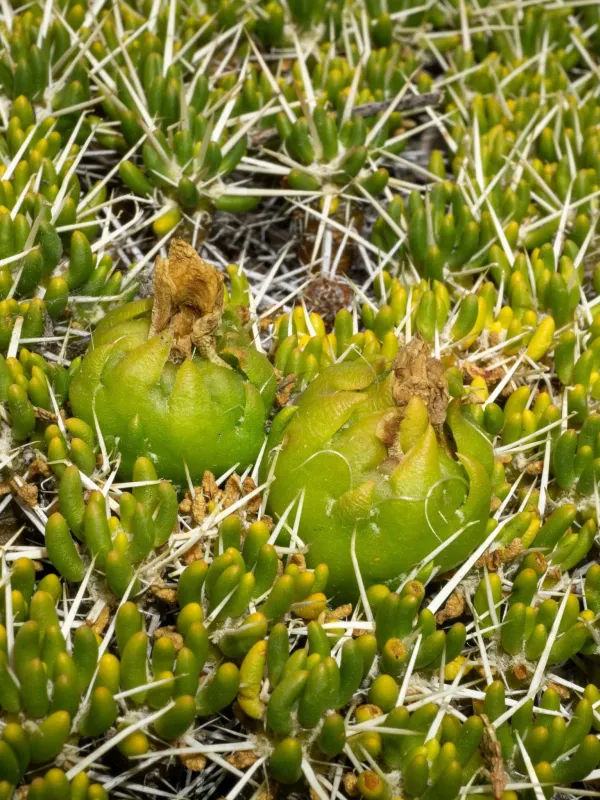
Maihuenia poeppigii is a unique species belonging to the Cactaceae family, known for its distinct prostrate growth habit. This succulent forms dense, ground-hugging mats, which act as a strategic adaptation to survive the harsh, wind-swept environments of its high-altitude native habitat.
Originating from the Andean regions of Chile and Argentina, this plant is naturally suited to rocky, nutrient-poor substrates. Its evolutionary history has endowed it with significant resilience to the extreme temperature fluctuations typical of mountainous terrain.
In cultivation, the most critical factor for success is ensuring a perfectly draining substrate. A mixture dominated by mineral components, such as pumice or coarse grit, is essential to prevent moisture from accumulating around the root system, which can be fatal for this species.
The species is renowned for its remarkable cold tolerance, often surviving freezing conditions if kept dry during its dormant winter period. However, it requires intense light levels throughout the growing season to maintain its compact, healthy appearance.
Agrotechnical management should focus on moderate irrigation during the active growth phase and absolute drought during the winter. Excessive fertilization, particularly with nitrogen-rich sources, should be avoided as it leads to weak, spindly growth that is more susceptible to environmental stress.
Main diseases and pests
The primary threats to Maihuenia poeppigii involve fungal infections triggered by inadequate ventilation and overwatering. Root and stem rot are the most common issues that growers face when the soil remains too damp for extended periods.
Spider mites represent a significant pest threat, especially in greenhouse or indoor environments where air humidity is low and temperatures are elevated. These pests thrive in stagnant air, making consistent ventilation a key preventive measure.
Mealybugs are another potential nuisance that can hide within the crevices of the plant's dense foliage. If not controlled, they can severely weaken the plant by extracting sap and potentially introducing secondary pathogens through their feeding wounds.
Effective pest management relies on a combination of cultural practices and targeted chemical interventions. Using systemic insecticides can be beneficial, provided they are applied according to safety guidelines and the specific tolerance of the cacti species.
Monitoring the health of the plants is essential, especially after periods of high humidity. Early detection of symptoms, such as discoloration or tissue softening, allows for timely intervention before the disease spreads throughout the entire colony.