
Gymnocalycium baldianum
Gymnocalycium baldianum
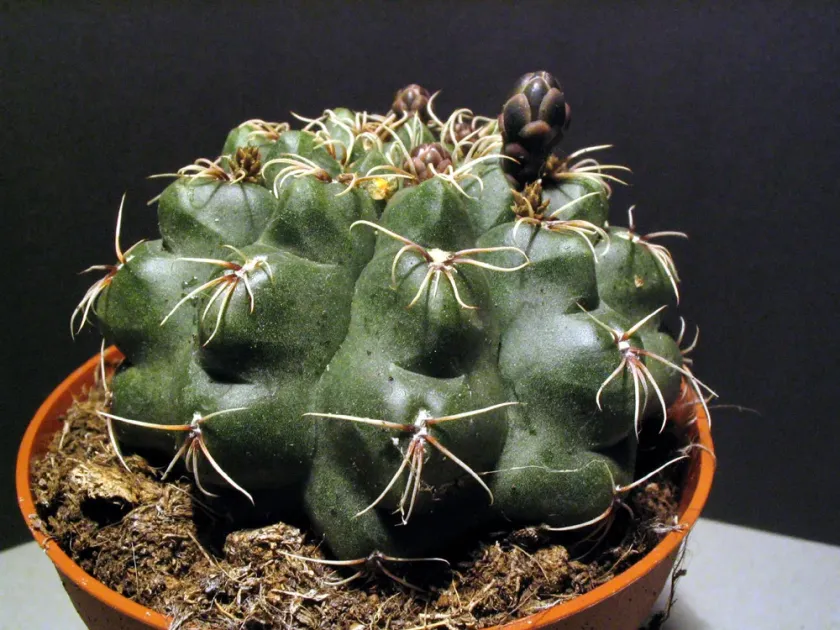
Description
Sowing dates
Sowing of Gymnocalycium baldianum seeds is ideally conducted in spring, between March and May, ensuring a consistent temperature range of +20°C to +25°C.
The substrate for sowing must be porous and sterile, consisting of a mix of fine sand, peat, and charcoal to prevent the damping-off of young seedlings.
Seeds should be distributed evenly on the surface of the soil and slightly pressed down, followed by light irrigation using a fine mist spray to avoid soil disturbance.
Germination usually takes about two to three weeks; during this period, high humidity and protection from direct sunlight are critical for the survival of the seedlings.
Pricking out the young plants is recommended when they reach a size of approximately 5–10 mm, providing them with more space and a balanced nutrient mix to encourage growth.
Growing requirements
As a member of the Cactaceae family, this species originates from the mountainous regions of Argentina, requiring conditions that mimic its natural stony habitat.
The culture thrives in bright, filtered light. Excessive direct sun can cause the epidermis to redden, which is a stress response but may be aesthetically undesirable.
Soil requirements focus on high drainage. A mix comprising coarse sand, gravel, and a small amount of leaf mold is perfect for maintaining healthy root development.
Watering should be performed only when the soil has completely dried out. Overwatering is the most common cause of failure in cultivating this specific species.
A distinct dormancy period during winter, with low temperatures and zero watering, is necessary to trigger the physiological processes required for spring flowering.
Yield
Gymnocalycium baldianum is highly valued in the nursery trade for its ability to produce vibrant red to deep pink flowers, even when the plant is quite small.
The commercial yield is evaluated by the frequency and duration of flowering cycles, which can be extended through meticulous control of light and fertilizer application.
Production in greenhouses involves selective breeding to improve the uniformity of flower color and the robustness of the spherical body of the cactus.
Seed production serves as a secondary commercial output, providing nurseries with the stock necessary to sustain cultivation without relying on wild collection.
Healthy, mature specimens can yield dozens of seeds per fruit, ensuring high reproduction rates and the ongoing viability of the collection under controlled conditions.
Main diseases and pests
Common pests affecting Gymnocalycium baldianum include spider mites, which thrive in dry conditions and can cause permanent scarring on the succulent stems.
Root rot is the most serious disease risk, typically caused by fungal pathogens proliferating in stagnant, over-saturated soil conditions during cooler months.
Integrated pest management, including the use of systemic insecticides and proper aeration, is the standard approach for maintaining plant health in large collections.
Fungal issues are managed by implementing strict sanitation protocols, such as sterilizing tools and substrates before any handling or repotting procedures.
Observation of the plant's texture and color is the best preventative measure; any sudden softening or discoloration usually indicates an emerging health issue.